Fruits, Grape, Seeds For PlantingTempranillo Grapes Seeds (Vitis vinifera) Vines Grapes Seeds
Other Names: Tempranillo, Tinto Fino, Tinta del País, Cencibel, Vitis vinifera.
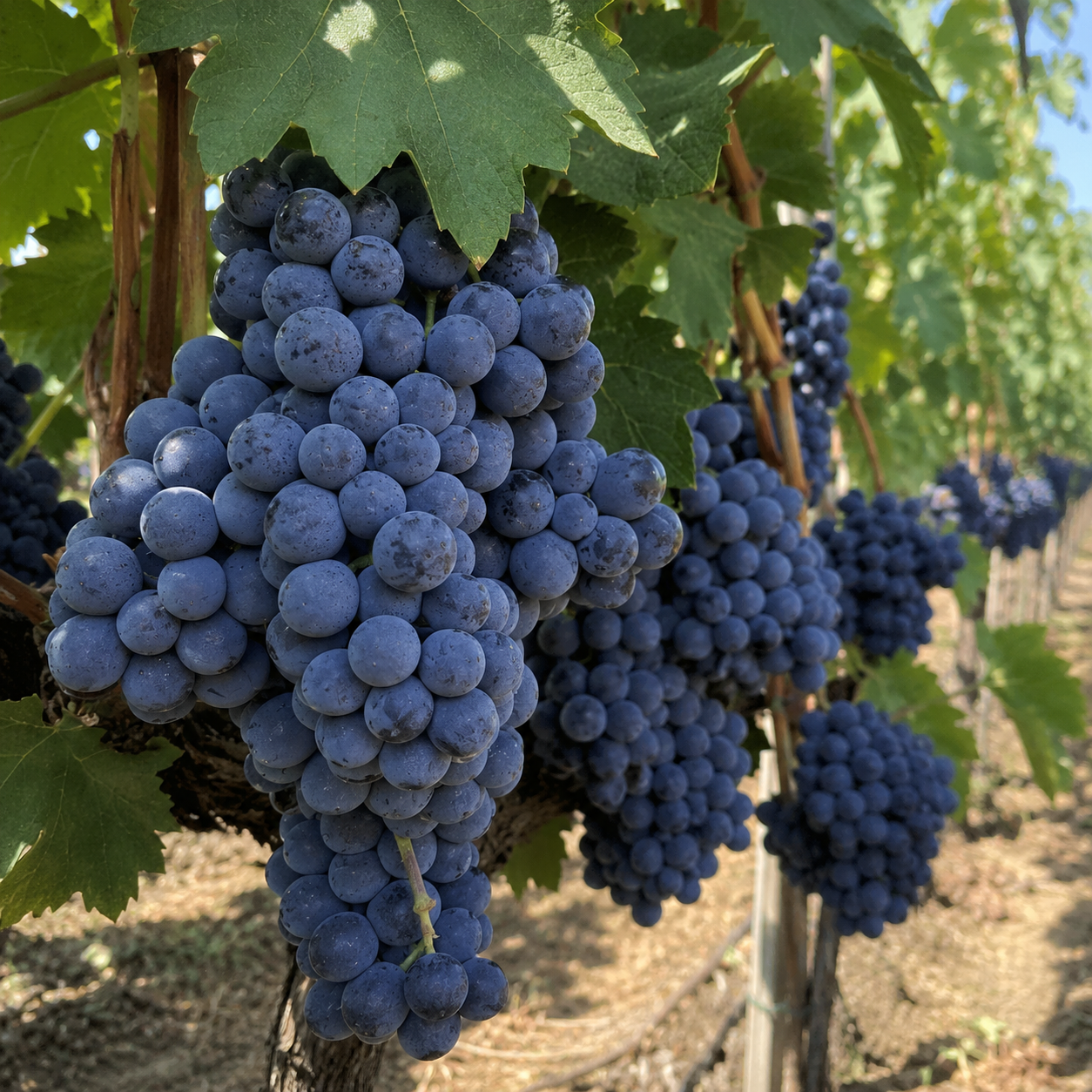
The Tempranillo Grape (Vitis vinifera) is one of the world’s most celebrated wine grape varieties, renowned for its balanced flavor profile, rich color development, adaptability, and exceptional winemaking qualities. The vines produce medium sized compact clusters bearing dark blue to black berries with relatively thick skins and concentrated flavor compounds. The fruit is highly valued for its ability to produce complex, well structured wines with excellent aging potential. The vines are moderately vigorous, productive, and capable of thriving across a wide range of viticultural environments.
The botanical heritage of Tempranillo traces back centuries to the historic wine growing regions of the Iberian Peninsula, where it became the foundation of some of the world’s most respected red wines. The name “Tempranillo” is derived from a word meaning “little early one,” referring to its tendency to ripen earlier than many other traditional wine grapes. Over generations, it gained recognition for its reliability, versatility, and ability to express regional growing conditions. Today, Tempranillo is cultivated globally and remains one of the most important red wine grape varieties in modern viticulture.
In modern horticulture, Tempranillo is cultivated primarily for premium wine production, specialty vineyards, wine blending programs, and viticultural collections. The fruits contain abundant anthocyanins, polyphenols, antioxidants, vitamins, and beneficial plant compounds. Their excellent winemaking characteristics continue to drive strong international demand.
Flavor Profile (Tempranillo Grape Sensory Profile)
■ Taste: Sweet when fully ripe with balanced acidity, featuring notes of cherry, plum, blackberry, and subtle earthy undertones.
■ Texture: Juicy flesh with concentrated flavor compounds and moderate tannin development.
■ Aroma: Complex bouquet of red berries, dark fruits, herbs, leather, spice, tobacco, and floral nuances.
Multipurpose Benefits
■ Wine Production: One of the world’s premier grapes for premium red wines and wine blends.
■ Fresh Consumption: Can be consumed fresh when fully ripe.
■ Culinary Uses: Suitable for preserves, gourmet applications, and specialty grape products.
■ Nutritional Value: Rich in antioxidants, anthocyanins, polyphenols, and natural plant compounds.
Successful cultivation of Tempranillo requires fertile soils, balanced nutrition, and proper vineyard management. The vines develop strong root systems and productive canopies capable of producing premium quality fruit. Proper trellising, pruning, and crop management significantly improve berry composition and vineyard performance.
Furthermore, maintaining healthy vineyard conditions supports long term vine vigor and superior fruit quality.
Yield Potential
Provides moderate to high yields of premium wine grapes suitable for commercial vineyard production.
Planting Density
■ Standard Spacing: 2 meters × 3 meters to 3 meters × 3 meters depending on vineyard design and management objectives.
■ Vines per Hectare: Approximately 1,100 to 1,650 vines per hectare.
Seed Requirement
■ Per Hectare: Approximately 1,150 to 1,700 seedlings are recommended per hectare depending on vineyard layout.
Growth Metrics
■ Fruiting Time: Approximately 2 to 4 years after planting under favorable growing conditions.
■ Plant Height: Vine length may exceed 5 to 10 meters when trained on trellis systems.
■ Productive Lifespan: Remains commercially productive for approximately 25 to 50 years with proper vineyard care.
Yield Breakdown
■ Early Production (Years 2–4): Initial fruiting begins during vineyard establishment.
■ Peak Production (Years 5–25): Produces approximately 6 to 14 tons of fresh grapes per hectare annually under quality focused vineyard management.
■ Harvest Season: Typically harvested from late summer to early autumn, often earlier than many other wine grape cultivars.
Pest & Disease Resistance
■ Natural Adaptation: Well adapted to temperate, Mediterranean, and semi arid viticultural regions.
■ Disease Resilience: Moderate resistance to common vineyard diseases when supported by proper canopy management and integrated vineyard practices.
■ Pro Tip for Growers: Controlled yields and careful canopy management significantly improve flavor concentration and fruit quality.
Tempranillo performs best under climates with warm days, cool nights, and well drained soils. Young vines establish steadily and benefit from structured trellis systems that support balanced growth and fruit development. Proper irrigation management, balanced fertilization, and annual pruning are essential for maximizing fruit quality and vineyard productivity.
By integrating soil improvement strategies, canopy optimization, and effective disease prevention measures, growers can maximize both vineyard performance and grape quality.
Climate Adaptation
■ Temperature: Thrives optimally between 18°C and 32°C.
■ Altitude: Best suited for elevations ranging from 300 to 1,800 meters above sea level depending on climate suitability.
■ Sunlight: Requires full sun exposure for optimal flowering, berry development, coloration, and flavor accumulation.
Soil Requirements
■ Nursery Stage: Prefers loose, fertile growing media with pH 5.5–7.5 containing compost, sand, coco peat, and fertile topsoil.
■ Field Planting Stage: Performs best in deep, well drained loamy, clay loam, or calcareous soils rich in organic matter.
Seed Germination & Propagation Protocol
- Pre Treatment: Cold stratify seeds before sowing to improve germination rates.
- Sowing: Plant seeds approximately 1–2 cm deep in moist nursery media.
- Germination Timeline: Seeds generally germinate within 3–8 weeks depending on seed quality and environmental conditions.
- Transplanting Protocol: Seedlings are ready for field establishment once they develop healthy roots and vigorous shoots.
Advanced Vineyard Management for Premium Fruit Production
■ Canopy Optimization: Strategic pruning and shoot positioning improve airflow and fruit exposure.
■ Irrigation Stability: Moderate and controlled irrigation supports balanced vine growth and berry development.
■ Fruit Quality Engineering: Balanced potassium, calcium, magnesium, and organic nutrition enhance color intensity, flavor concentration, and berry quality.
Exogenous Phytohormone Applications (Natural Growth Triggers)
■ Auxin Enhancement: Organic seaweed extracts and natural rooting stimulants support vigorous root development.
■ Cytokinin Boost: Diluted coconut water applications may encourage healthy vegetative growth and branching.
■ Stress Reduction: Organic mulches and beneficial microbial inoculants improve soil health, moisture retention, and environmental resilience.

Reviews
There are no reviews yet.