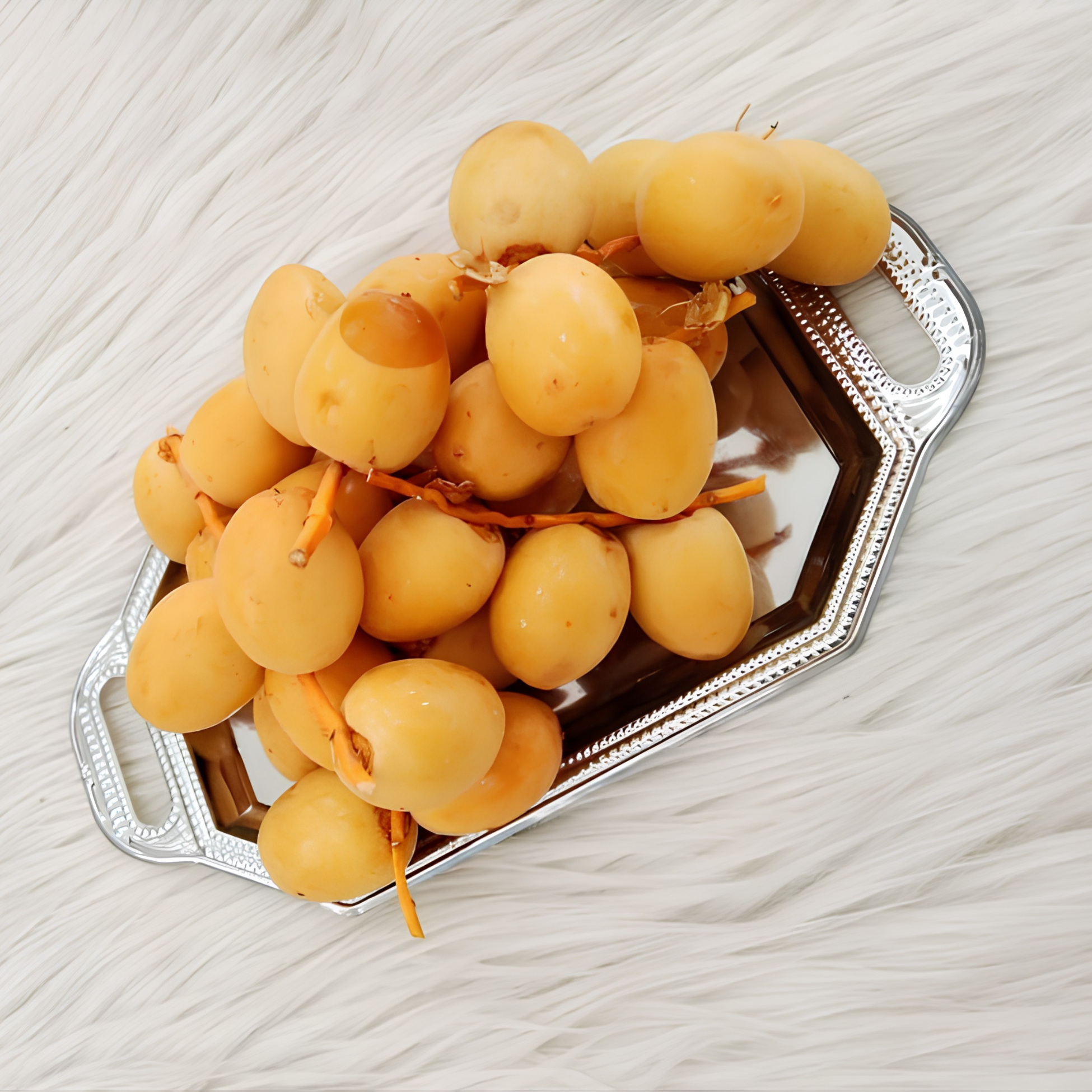
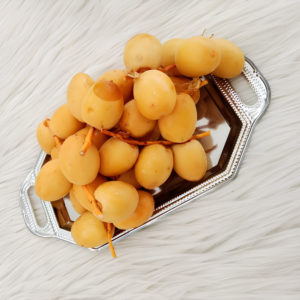
The Sukkari Palm Date (Phoenix dactylifera) is one of the world’s most luxurious and highly sought after premium date cultivars, celebrated for its exceptionally soft texture, golden coloration, and intense honey like sweetness. Belonging to the Arecaceae family, this majestic desert palm exhibits strong drought tolerance, long productive lifespans, and remarkable adaptability to arid and semi arid climates. The cultivar is especially prized for its high sugar concentration, tender flesh consistency, and premium dessert quality flavor, making it one of the most valuable date varieties within global gourmet fruit markets.
Historically, Sukkari dates originated from the Arabian Peninsula, where date palms have been cultivated for thousands of years as essential components of desert agriculture and regional food security systems. Through centuries of traditional selection and oasis cultivation, superior Sukkari lines emerged featuring softer flesh, brighter golden skin, and enhanced sweetness levels. The name “Sukkari” itself is associated with the Arabic word for “sugar,” reflecting the cultivar’s extraordinary natural sweetness and luxurious eating quality.
In modern agro-industrial and nutritional sectors, Sukkari dates hold premium status within international fresh date, dried fruit, and functional food markets. The fruits contain abundant natural sugars, potassium, magnesium, dietary fiber, antioxidants, and essential minerals associated with sustained energy release and metabolic wellness. Due to their rich flavor complexity and elegant texture, Sukkari dates are extensively consumed as luxury table dates, processed into desserts, premium confectionery, date syrup, and high-end health food products.
Flavor Profile (Sukkari Date Sensory Profile)
- Taste: Intensely sweet with rich honey, caramel, butterscotch, and brown sugar like flavor complexity.
- Texture: Exceptionally soft, moist, tender, and melt in the mouth with creamy dense flesh consistency.
- Aroma: Sweet caramelized fragrance featuring honey, toffee, and warm dessert like aromatic notes.
Multipurpose Benefits (Beyond the Fruit)
- Fruit Benefits: Rich in potassium, magnesium, antioxidants, dietary fiber, natural sugars, and essential minerals supporting energy metabolism, digestion, and cardiovascular wellness.
- Medicinal Benefits of Date Palm Fruits: Traditionally utilized for natural energy support, digestive balance, and nutritional recovery applications.
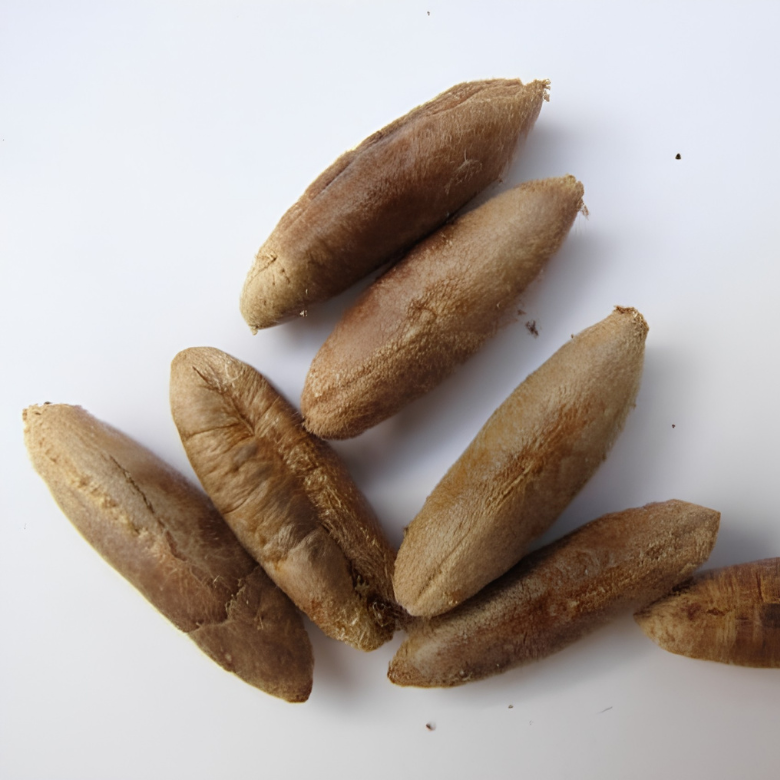
- Therapeutic Properties of Date Seeds & Palm Components: Date seeds contain antioxidant compounds commonly processed into functional powders and natural beverage ingredients.
By Product Utilization: Palm leaves, trunks, fibers, and seeds are widely utilized for handicrafts, biomass materials, livestock feed, natural compost, and sustainable agro industrial applications.
Optimizing the agronomic performance of Sukkari date palms requires strategic orchard spacing, efficient irrigation systems, and balanced mineral nutrition. The cultivar develops massive root systems and tall canopy structures capable of sustaining heavy fruit clusters under desert and semi-arid environments. Proper pollination management and canopy sanitation significantly improve fruit size, sweetness, and annual productivity.
Furthermore, understanding the species’ dioecious reproductive system and long juvenile phase allows growers to maximize orchard efficiency and long-term profitability. The following structural and productivity parameters define the ideal operational framework for establishing highly productive Sukkari date plantations.
Yield Potential
Provides exceptionally high-value premium date yields with strong demand in luxury dried fruit, gourmet dessert, and health oriented export markets.
Planting Density
- Standard Spacing: 8 meters x 8 meters or 10 meters x 10 meters depending on irrigation systems and orchard management intensity.
- Trees per Hectare: Approximately 100 to 156 palms per hectare under commercial plantation systems.
Seed Requirement
- Per Hectare: Approximately 120 to 180 tissue culture plants, offshoots, or elite saplings are recommended per hectare for commercial plantation establishment.
Growth Metrics
- Time to First Harvest: 4 to 7 years after transplanting under optimal desert agricultural conditions.
- Palm Height & Canopy Diameter: Typically reaches 10 to 20 meters in height with large crown canopy structures.
- Productive Lifespan: Remains commercially productive for approximately 50 to 100+ years with proper plantation management.
Yield Breakdown
- Early Production (Years 4–6): Produces initial premium fruit clusters during early reproductive stages.
- Peak Production (Years 10+): Yields approximately 80 to 150+ kg of premium dates per palm annually under professional management systems.
- Annual Harvest Season: Commonly produces one major harvest season annually depending on climatic conditions and regional flowering cycles.
Pest & Disease Resistance
- Natural Shielding: Exhibits exceptional tolerance against drought, heat stress, and arid environmental conditions.
- Antifungal Resilience: Performs best in dry climates with low humidity and proper orchard airflow management.
- Pro Tip for Growers: Controlled irrigation reduction during fruit maturation significantly improves sweetness concentration and fruit texture quality.
Successful cultivation of Sukkari Palm Dates depends heavily on hot arid climates, deep sandy soils, and efficient long-term irrigation management. Young palms establish gradually but develop extremely resilient root systems capable of surviving prolonged dry conditions. Because the species produces massive fruit clusters and extensive vegetative growth, balanced potassium and micronutrient availability become essential for maintaining premium fruit quality and sustainable long-term productivity.
By integrating drip irrigation systems, strategic pollination management, and structured canopy sanitation practices, growers can significantly improve fruit sweetness, size uniformity, and orchard efficiency. The following environmental requirements and propagation protocols outline the optimal framework for commercial Sukkari date palm cultivation.
Climate Adaptation
- Temperature: Thrives optimally between 25°C to 45°C under arid and semi arid tropical climates.
- Altitude: Best suited for lowland desert and dry tropical environments ranging from sea level up to approximately 1,000 meters above sea level.
- Sunlight: Requires intense full sunlight exposure for optimal flowering, sugar accumulation, and fruit maturation.
Soil Requirements
- Nursery/Seedling Stage: Prefers loose, sandy, well-drained growing media with pH 7.0–8.0 and moderate organic matter content.
- Transplanting Stage: Performs best in deep sandy loam or desert soils with excellent drainage and low salinity accumulation.
Seed Germination & Propagation Protocol
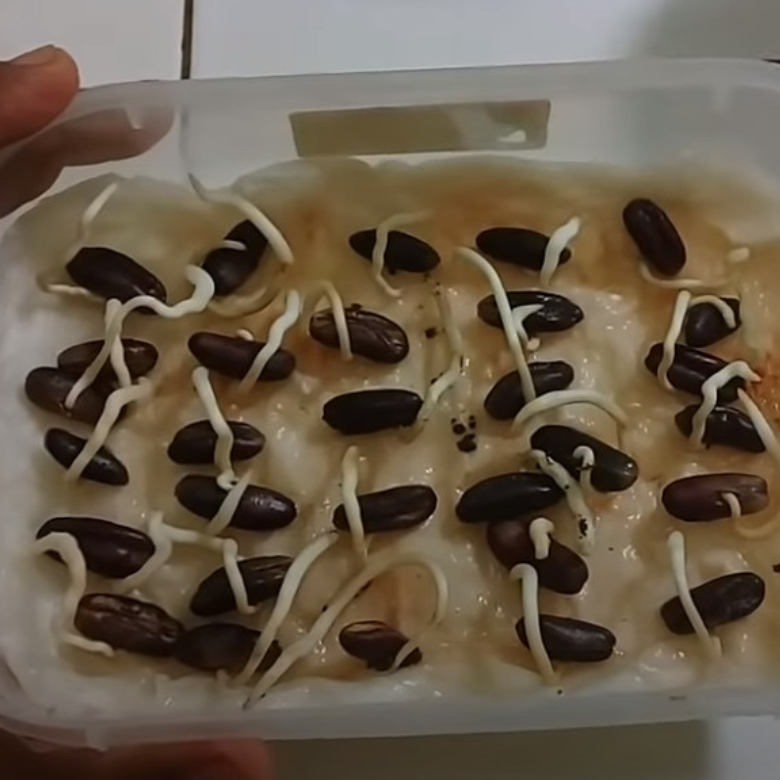
- Pre-Treatment: Soak seeds or offshoot bases in clean lukewarm water prior to planting to improve hydration and rooting initiation.
- Sowing: Plant seeds approximately 3–5 cm deep in moist sandy nursery media under warm conditions.
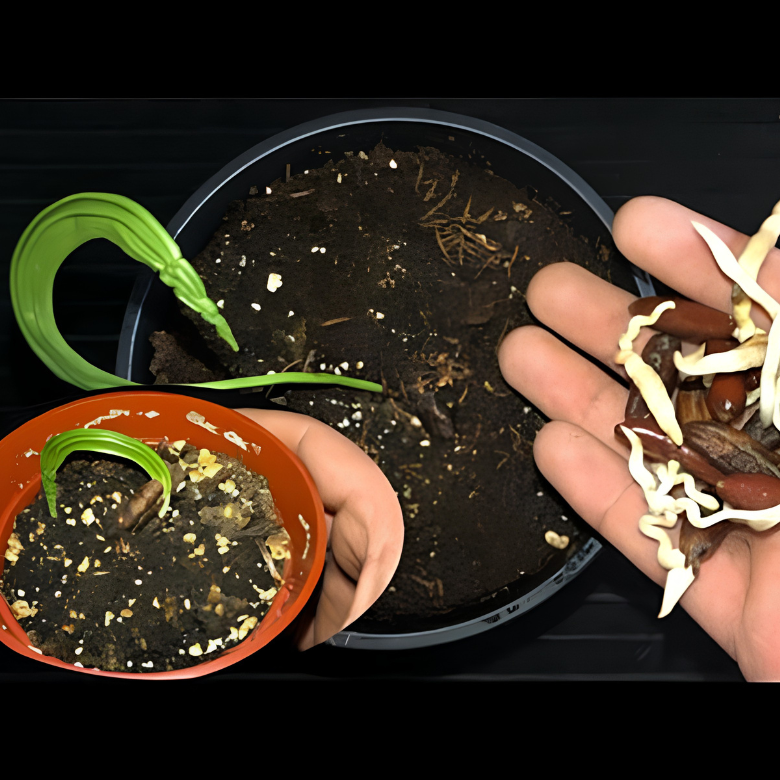
- Germination Timeline: Seeds generally germinate within 30 to 90 days depending on environmental stability and seed viability.
- Transplanting Protocol: Young palms or rooted offshoots are ready for field establishment after developing stable root systems and healthy spear leaf growth.
Advanced Microclimate Engineering for Premium Date Production
- Irrigation Optimization: Deep drip irrigation systems significantly improve root stability and long-term drought resilience.
- Pollination Management: Manual pollination practices dramatically increase fruit set and premium cluster development.
- Fruit Quality Engineering: Balanced potassium, calcium, and boron nutrition significantly improve fruit sweetness, softness, and shelf-life quality.
Exogenous Phytohormone Applications (Natural Growth Triggers)
- Auxin & Gibberellin Inoculation: Organic seaweed extracts and natural root stimulants may accelerate juvenile palm establishment and root expansion.
- Cytokinin Boost: Diluted coconut water applications can support early vegetative development and tissue vigor.
- Stress Reduction: Organic mulching and beneficial microbial inoculants significantly improve soil resilience, moisture retention, and long-term plantation sustainability.

Reviews
There are no reviews yet.