Fruits, Grape, Seeds For PlantingRizamat Grapes Seeds (Vitis vinifera) Table Grapes Seeds
Other Names: Rizamat Grape, Rizamat Pink Grape, Central Asian Table Grape, Giant Pink Grape, Vitis vinifera.
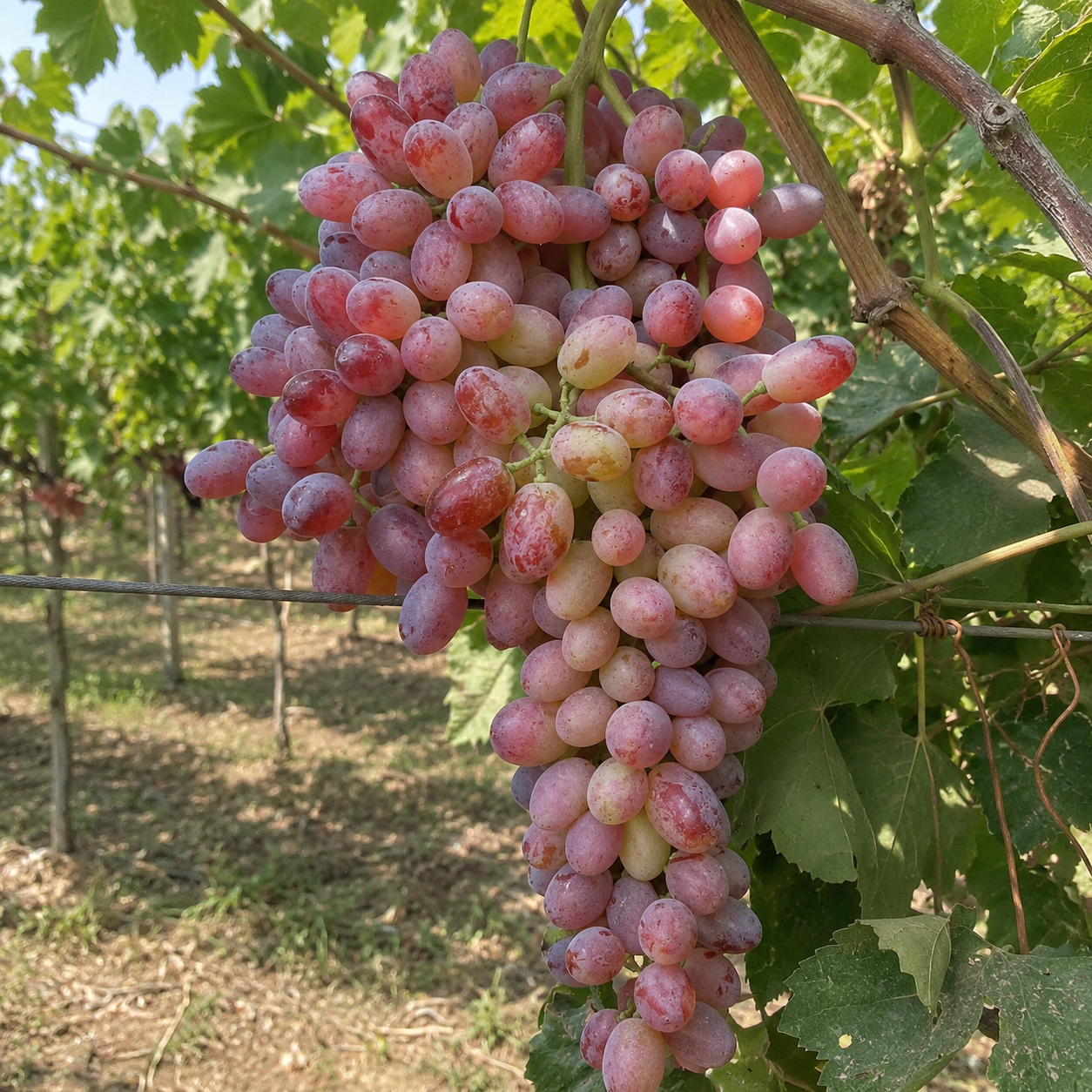
The Rizamat Grape (Vitis vinifera) is a legendary table grape variety renowned for its exceptionally large clusters, elongated berries, remarkable sweetness, and outstanding fruit quality. The vines produce massive bunches that can reach impressive weights under favorable growing conditions, making Rizamat one of the most visually striking grape cultivars in commercial production. The berries are elongated, pink to reddish pink at maturity, and highly attractive in fresh fruit markets. The fruit is prized for its rich flavor, crisp texture, and excellent sugar accumulation, making it one of the most sought after premium table grapes among growers and consumers alike.
The botanical heritage of Rizamat originates from Central Asian grape growing regions, where centuries of viticultural tradition have produced some of the world’s finest table grape cultivars. Through careful selection, Rizamat became recognized for its extraordinary fruit size, productivity, and superior eating quality. Its reputation quickly spread beyond its region of origin, and it is now cultivated internationally by both commercial vineyards and collectors of premium grape varieties. Today, Rizamat remains a benchmark variety for large fruited table grape breeding programs.
In modern horticulture, Rizamat Grape is cultivated primarily for fresh consumption, premium fruit markets, specialty vineyards, home gardens, and export oriented production. The fruits contain natural sugars, antioxidants, polyphenols, vitamins, and beneficial plant compounds. Their exceptional appearance and superior flavor continue to command premium market prices.
Flavor Profile (Rizamat Grape Sensory Profile)
■ Taste: Richly sweet with balanced acidity, fruity complexity, and a smooth lingering finish.
■ Texture: Crisp, juicy flesh with firm berries and excellent eating quality.
■ Aroma: Pleasant grape fragrance featuring floral notes, ripe fruit, honey, and subtle muscat undertones.
Multipurpose Benefits
■ Fresh Consumption: Outstanding as a premium table grape due to its exceptional berry size and sweetness.
■ Beverage Production: Suitable for fresh juice, smoothies, and specialty fruit beverages.
■ Culinary Uses: Ideal for fruit platters, desserts, pastries, preserves, and gourmet presentations.
■ Nutritional Value: Rich in antioxidants, polyphenols, vitamins, and beneficial plant compounds.
Successful cultivation of Rizamat Grape requires fertile soils, balanced nutrition, and proper vineyard management. The vines develop strong root systems and vigorous canopies capable of supporting extremely large fruit clusters. Proper trellising, pruning, and nutrient management significantly improve berry size, sweetness, coloration, and overall vineyard performance.
Furthermore, maintaining healthy vineyard conditions supports long term vine vigor and premium fruit quality.
Yield Potential
Provides high yields of premium quality table grapes suitable for fresh markets and specialty fruit production.
Planting Density
■ Standard Spacing: 3 meters × 3 meters to 3 meters × 4 meters depending on trellis design and management intensity.
■ Vines per Hectare: Approximately 830 to 1,110 vines per hectare.
Seed Requirement
■ Per Hectare: Approximately 850 to 1,150 seedlings are recommended per hectare depending on vineyard layout.
Growth Metrics
■ Fruiting Time: Approximately 2 to 4 years after planting under favorable growing conditions.
■ Plant Height: Vine length may exceed 6 to 12 meters when supported by trellis systems.
■ Productive Lifespan: Remains commercially productive for approximately 20 to 40 years with proper vineyard care.
Yield Breakdown
■ Early Production (Years 2–4): Initial fruiting begins during vineyard establishment.
■ Peak Production (Years 5–20): Produces approximately 20 to 35 tons of fresh grapes per hectare annually under favorable conditions and professional vineyard management.
■ Harvest Season: Typically harvested during late summer to early autumn depending on climate and vineyard practices.
Pest & Disease Resistance
■ Natural Adaptation: Well adapted to warm temperate and subtropical grape growing environments.
■ Disease Resilience: Moderate resistance to common grape diseases, benefiting significantly from proper canopy management and preventative care.
■ Pro Tip for Growers: Cluster thinning improves berry size, uniform ripening, and overall fruit quality, particularly in high yield seasons.
Rizamat Grape performs best under climates with warm growing seasons, fertile soils, and abundant sunlight. Young vines establish vigorously and develop productive canopies capable of supporting very large fruit loads. Proper irrigation scheduling, nutrient management, and annual pruning contribute significantly to fruit quality and vineyard productivity.
By integrating soil improvement strategies, balanced fertilization programs, and effective disease management measures, growers can maximize both yield and long term vineyard profitability.
Climate Adaptation
■ Temperature: Thrives optimally between 20°C and 34°C.
■ Altitude: Best suited for elevations ranging from 0 to 1,500 meters above sea level depending on regional climate suitability.
■ Sunlight: Requires full sun exposure for optimal flowering, berry enlargement, coloration, and sugar accumulation.
Soil Requirements
■ Nursery Stage: Prefers loose, fertile growing media with pH 5.5–7.0 containing compost, sand, coco peat, and fertile topsoil.
■ Field Planting Stage: Performs best in deep, well drained loamy or sandy loam soils rich in organic matter and biological activity.
Seed Germination & Propagation Protocol
- Pre Treatment: Stratify or soak seeds according to seed dormancy requirements before sowing.
- Sowing: Plant seeds approximately 1–2 cm deep in moist nursery media.
- Germination Timeline: Seeds generally germinate within 2–8 weeks depending on seed quality and environmental conditions.
- Transplanting Protocol: Seedlings are ready for field establishment once they develop healthy root systems and vigorous shoots.
Advanced Vineyard Management for Premium Fruit Production
■ Canopy Optimization: Strategic pruning and trellis training improve sunlight penetration and fruit quality.
■ Irrigation Stability: Consistent moisture availability supports healthy berry enlargement and cluster development.
■ Fruit Quality Engineering: Balanced potassium, calcium, magnesium, and organic nutrition enhance sweetness, berry size, firmness, coloration, and shelf life.
Exogenous Phytohormone Applications (Natural Growth Triggers)
■ Auxin Enhancement: Organic seaweed extracts and natural rooting stimulants support vigorous root development.
■ Cytokinin Boost: Diluted coconut water applications may encourage healthy vegetative growth and branching.
■ Stress Reduction: Organic mulches and beneficial microbial inoculants improve soil health, moisture retention, and environmental resilience.

Reviews
There are no reviews yet.