Fruits, Pomegranate, Seeds For PlantingMollar de Elche Pomegranate Seeds (Punica granatum) Red Pomegranate Seedss
$45.00 – $350.00Price range: $45.00 through $350.00
Other Names: Mollar de Elche, Granada Mollar de Elche, Spanish Sweet Pomegranate, Elche Pomegranate, Punica granatum.
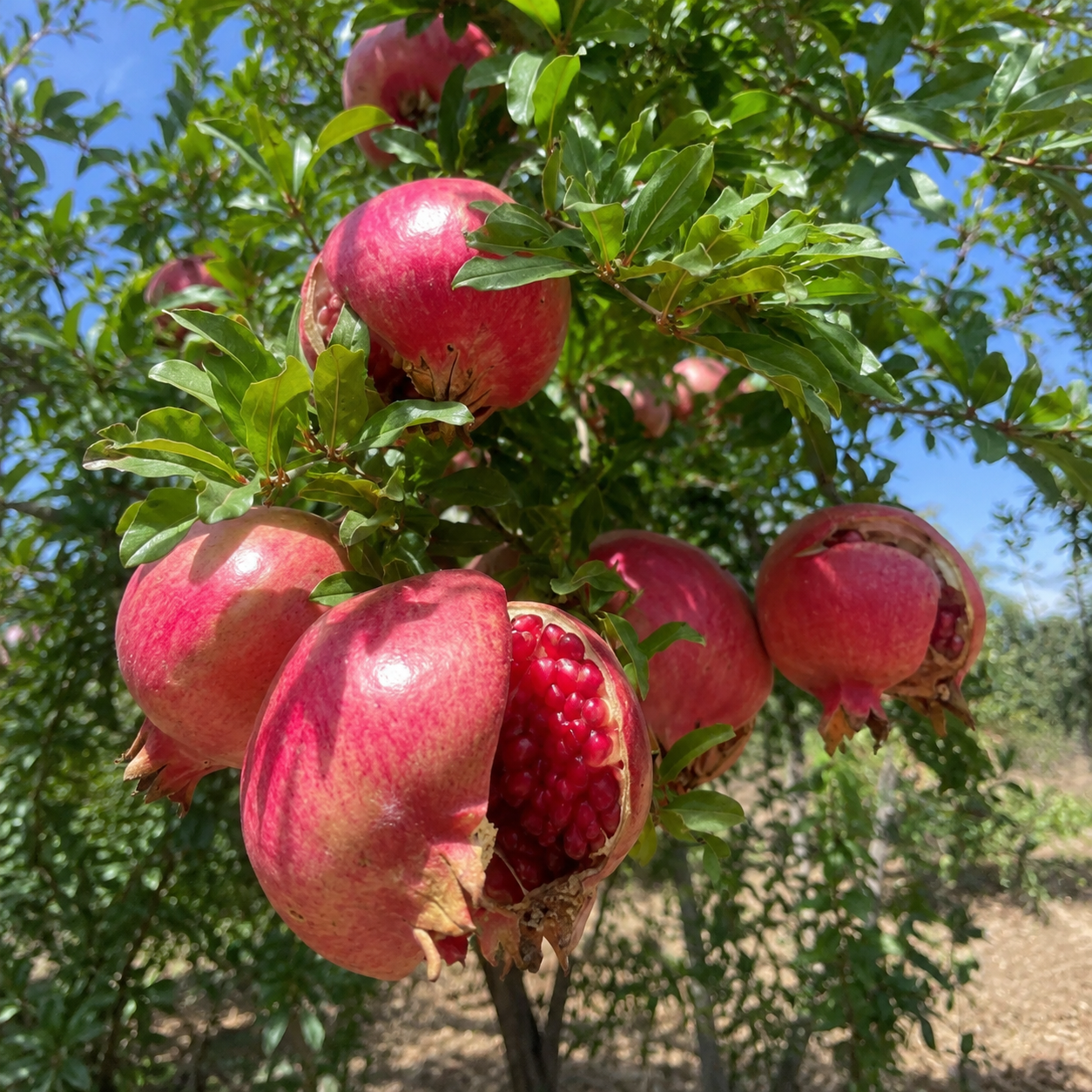
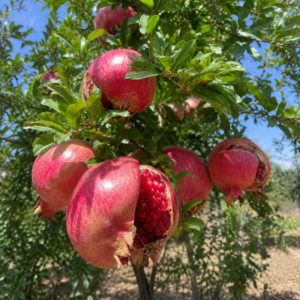
The Mollar de Elche Pomegranate (Punica granatum) is one of the world’s most prestigious pomegranate cultivars, renowned for its exceptionally sweet flavor, soft edible seeds, abundant juice, and premium fruit quality. The trees are vigorous, long lived, and highly productive, producing medium to large fruits with creamy yellow to light red skin that develops an attractive blush under full sun. Inside, the fruits contain pale pink to deep pink arils that are remarkably sweet, juicy, and easy to chew due to their soft seeds. These outstanding eating qualities have made Mollar de Elche one of the finest fresh market pomegranates and a benchmark cultivar for premium dessert pomegranates.
The botanical heritage of Mollar de Elche belongs to the ancient Punica granatum lineage and represents one of Spain’s most celebrated traditional pomegranate cultivars. Native to the Elche region, this variety has been cultivated for centuries and has earned international recognition for its exceptional sweetness, soft seeds, and distinctive fruit quality. Its importance is reflected in the protected geographical recognition of “Granada Mollar de Elche,” making it one of the most recognized pomegranate cultivars in Europe.
In modern horticulture, Mollar de Elche is cultivated for premium fresh fruit markets, gourmet food industries, high quality juice production, specialty desserts, home orchards, and export oriented agriculture. The fruits are naturally rich in antioxidants, polyphenols, anthocyanins, vitamin C, potassium, and beneficial phytochemicals. Their exceptional sweetness, soft edible seeds, and outstanding consumer acceptance continue to make this cultivar one of the most valuable premium pomegranates worldwide.
Flavor Profile (Mollar de Elche Pomegranate Sensory Profile)
■ Taste: Exceptionally sweet with very low acidity, delicate fruity notes, and a smooth, refreshing finish.
■ Texture: Tender, juicy arils with soft edible seeds and abundant juice.
■ Aroma: Fresh fruity fragrance with delicate floral nuances, subtle honey notes, and mild berry undertones.
Multipurpose Benefits
■ Fresh Consumption: Outstanding for premium fresh consumption due to its exceptionally sweet flavor and soft edible seeds.
■ Beverage Production: Excellent for premium juices, smoothies, concentrates, and specialty beverages.
■ Culinary Uses: Ideal for fruit salads, desserts, gourmet dishes, sauces, garnishes, preserves, and pastries.
■ Nutritional Value: Rich in antioxidants, polyphenols, anthocyanins, vitamin C, potassium, and beneficial plant compounds.
Successful cultivation of Mollar de Elche Pomegranate requires fertile, well drained soils, balanced nutrition, and professional orchard management. The trees develop vigorous root systems and productive canopies capable of supporting abundant annual fruit production. Proper irrigation, pruning, and nutrient management significantly improve fruit size, sweetness, juice content, coloration, and overall orchard productivity.
Furthermore, maintaining healthy orchard conditions supports long term tree vigor and consistent production of premium quality fruits suitable for domestic and export markets.
Yield Potential
Provides high yields of premium quality pomegranates suitable for fresh markets, gourmet industries, premium juice production, and export.
Planting Density
■ Standard Spacing: 4 meters × 4 meters to 5 meters × 5 meters depending on orchard design and management practices.
■ Trees per Hectare: Approximately 400 to 625 trees per hectare.
Seed Requirement
■ Per Hectare: Approximately 420 to 650 seedlings are recommended per hectare depending on orchard layout.
Growth Metrics
■ Fruiting Time: Approximately 2 to 3 years after planting under favorable growing conditions.
■ Plant Height: Typically reaches 3 to 5 meters at maturity.
■ Productive Lifespan: Remains commercially productive for approximately 25 to 40 years with proper orchard care.
Yield Breakdown
■ Early Production (Years 2–4): Initial fruiting begins during orchard establishment.
■ Peak Production (Years 5–25): Produces approximately 20 to 40 tons of fresh fruit per hectare annually under favorable conditions and professional orchard management.
■ Harvest Season: Typically harvested during early to mid autumn, often earlier than many commercial cultivars under Mediterranean growing conditions.
Pest & Disease Resistance
■ Natural Adaptation: Well adapted to Mediterranean, subtropical, and semi arid growing environments.
■ Disease Resilience: Moderate to good resistance to common pomegranate diseases when supported by proper orchard sanitation and integrated management practices.
■ Pro Tip for Growers: Maintaining moderate irrigation during fruit maturation enhances sweetness while preserving the characteristic soft seeded texture that distinguishes this variety.
Mollar de Elche Pomegranate performs exceptionally well in warm climates with long sunny seasons and well drained fertile soils. Young trees establish rapidly and develop vigorous root systems capable of supporting high fruit production over several decades. Regular irrigation during flowering and fruit enlargement, balanced fertilization, annual canopy pruning, and effective orchard sanitation contribute significantly to fruit quality, tree health, and long term orchard productivity.
By integrating soil improvement strategies, balanced nutrient management, organic matter incorporation, and preventive pest control programs, growers can maximize orchard profitability while consistently producing premium dessert quality fruits with excellent market value.
Climate Adaptation
■ Temperature: Thrives optimally between 20°C and 35°C.
■ Altitude: Best suited for elevations ranging from 0 to 1,200 meters above sea level.
■ Sunlight: Requires full sun exposure for optimal flowering, fruit development, sugar accumulation, and premium fruit quality.
Soil Requirements
■ Nursery Stage: Prefers loose, fertile growing media with pH 5.5–7.0 containing compost, sand, coco peat, and fertile topsoil.
■ Field Planting Stage: Performs best in deep, well drained loamy, sandy loam, or light clay soils rich in organic matter.
Seed Germination & Propagation Protocol
- Pre Treatment: Soak seeds in clean water for 12–24 hours before sowing.
- Sowing: Plant seeds approximately 1–2 cm deep in moist germination media.
- Germination Timeline: Seeds generally germinate within 2–6 weeks depending on seed quality and environmental conditions.
- Transplanting Protocol: Seedlings are ready for field establishment once they develop healthy root systems and several true leaves.
Advanced Orchard Management for Premium Fruit Production
■ Canopy Optimization: Strategic pruning improves sunlight penetration, air circulation, fruit coloration, and consistent annual production.
■ Irrigation Stability: Controlled irrigation during fruit enlargement supports high juice content while minimizing fruit cracking.
■ Fruit Quality Engineering: Balanced potassium, calcium, magnesium, boron, and organic nutrition enhance sweetness, fruit firmness, shelf life, and overall market quality.
Exogenous Phytohormone Applications (Natural Growth Triggers)
■ Auxin Enhancement: Organic seaweed extracts and natural rooting stimulants promote vigorous root development and rapid establishment.
■ Cytokinin Boost: Diluted coconut water applications may stimulate healthy vegetative growth and balanced canopy development.
■ Stress Reduction: Organic mulches, compost, and beneficial microbial inoculants improve soil fertility, moisture retention, nutrient availability, and environmental resilience.

Reviews
There are no reviews yet.