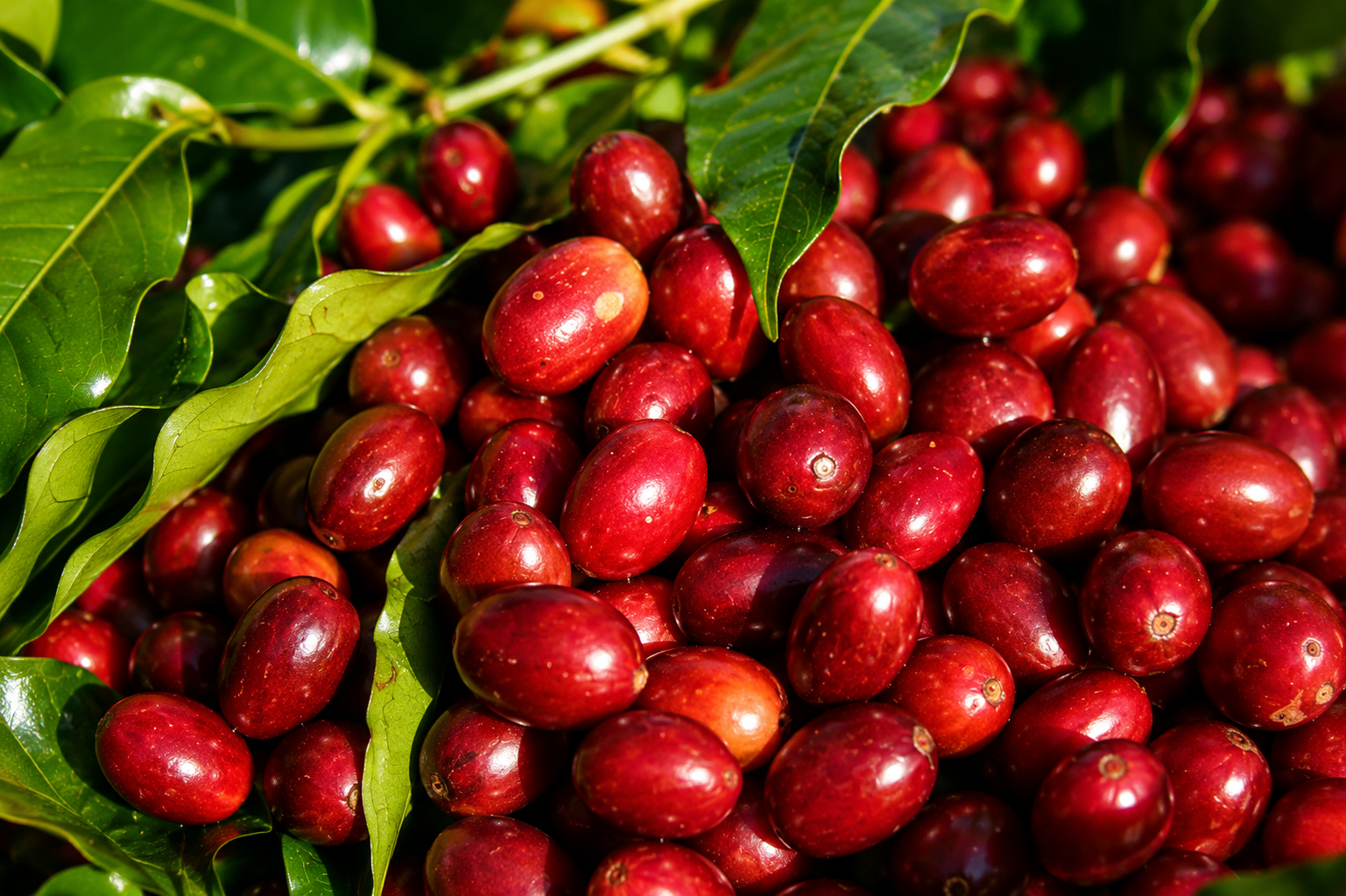
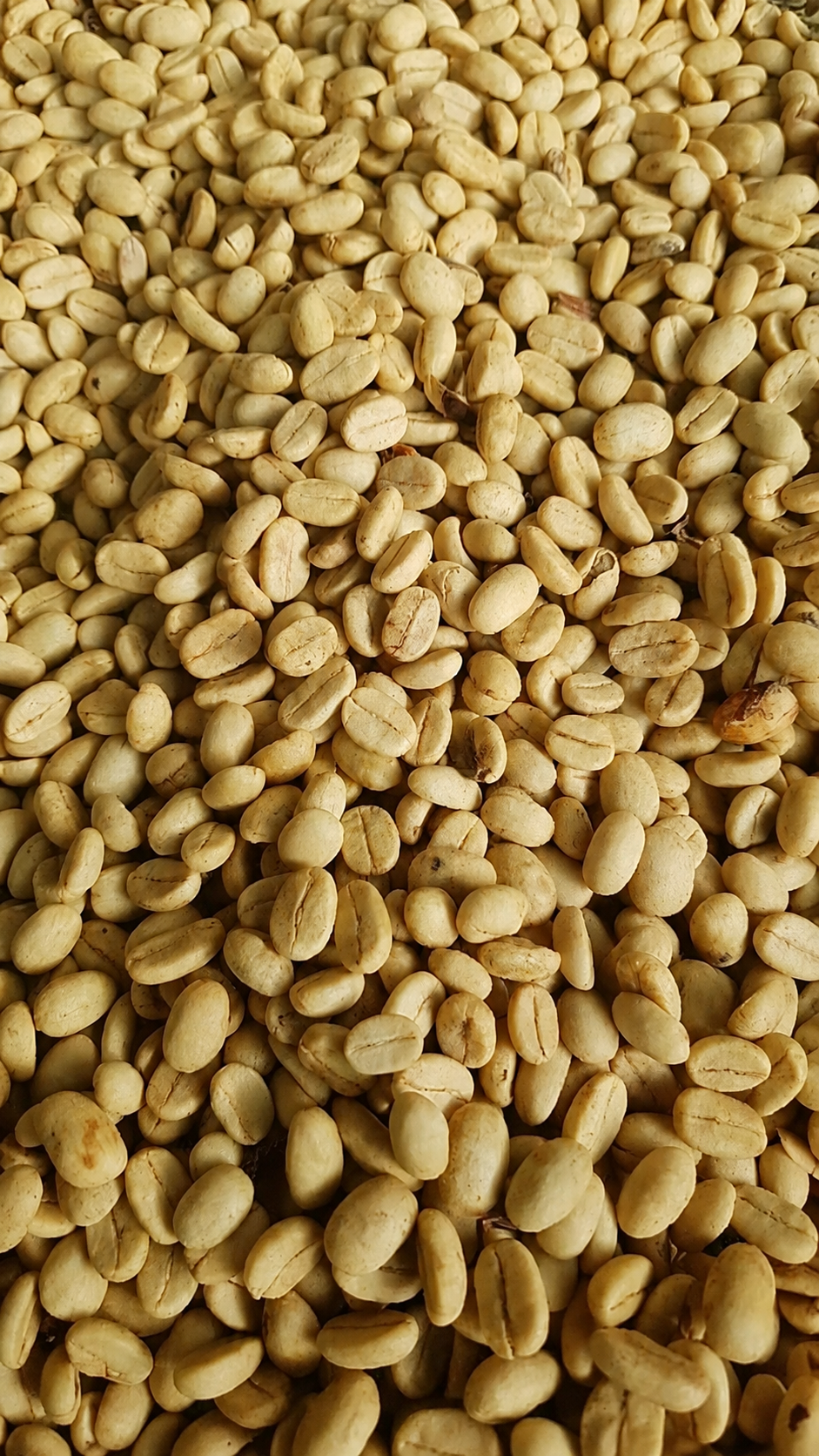
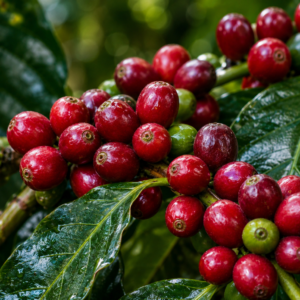
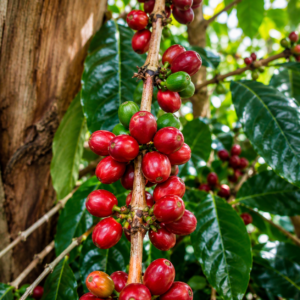
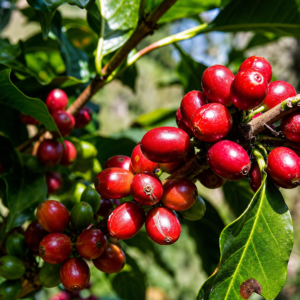
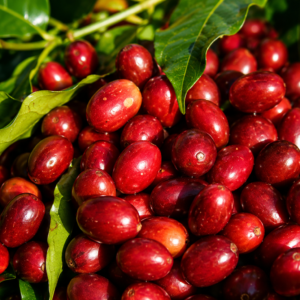
The Long Berry Coffee (Coffea arabica) refers to a distinctive coffee type recognized for its elongated bean shape, most commonly associated with premium Arabica coffees from regions such as India, Yemen, Ethiopia, and parts of Indonesia. Rather than representing a single genetic cultivar, the term “Long Berry” is often used to describe selections that consistently produce larger and more elongated coffee beans compared to standard Arabica varieties. These coffees are highly valued for their attractive bean appearance, dense structure, and excellent roasting characteristics. Long Berry coffee trees typically exhibit vigorous growth, strong branching habits, and reliable productivity under suitable tropical highland conditions. The cherries mature gradually, allowing the development of concentrated sugars, aromatic compounds, and complex flavor precursors within the beans. Coffee professionals appreciate Long Berry coffees for their balanced flavor profiles, clean cup quality, and versatility across different roasting styles. The beans contain abundant chlorogenic acids, antioxidants, caffeine, and specialty grade aromatic compounds that contribute to a refined sensory experience. Due to their larger bean size and premium market appeal, Long Berry coffees are frequently selected for specialty coffee programs and high end roasting applications. Today, Long Berry coffees continue to be sought after by growers, roasters, and coffee enthusiasts seeking both visual distinction and exceptional cup quality.
Flavor Profile (Long Berry Coffee Sensory Profile)
- Taste: Balanced sweetness with notes of caramel, chocolate, honey, citrus, roasted nuts, dried fruits, and subtle spice undertones.
- Texture: Smooth medium to full body with a clean mouthfeel and lingering finish.
- Aroma: Rich bouquet featuring cocoa, caramel, honey, floral notes, roasted almonds, and delicate fruit nuances.
Multipurpose Benefits (Beyond Coffee Production)
- Bean Benefits: Rich in antioxidants, chlorogenic acids, caffeine, and specialty grade aromatic compounds.
- Commercial Benefits: Highly suitable for specialty roasting, premium blends, single origin programs, direct trade markets, and export oriented coffee industries.
- Processing Flexibility: Performs well under washed, honey, natural, wet hulled, and specialty fermentation processing methods.
- By Product Utilization: Coffee cherries, cascara beverages, coffee husks, compost materials, biofertilizers, and value added agricultural products contribute additional economic opportunities.
Optimizing the agronomic performance of Long Berry Coffee requires fertile soils, balanced nutrition, and suitable tropical highland growing conditions. The trees develop strong root systems, productive branch architecture, and abundant flowering potential capable of supporting high quality coffee production. Proper plantation management significantly enhances bean size, density, sweetness, and specialty coffee value.
Yield Potential
Provides reliable commercial and specialty coffee yields with strong demand in premium coffee markets due to its distinctive bean size and appearance.
Planting Density
- Standard Spacing: 2.5 meters × 2.5 meters or 3 meters × 3 meters depending on cultivation systems and environmental conditions.
- Trees per Hectare: Approximately 1,100 to 1,600 trees per hectare under commercial plantation systems.
Seed Requirement
- Per Hectare: Approximately 1,200 to 1,800 seedlings are recommended per hectare for optimal plantation establishment.
Growth Metrics
- Time to First Harvest: 3 to 4 years after planting under optimal growing conditions.
- Plant Height & Canopy Diameter: Typically reaches 2.5 to 5 meters in height with a vigorous and productive canopy structure.
- Productive Lifespan: Remains commercially productive for approximately 25 to 40 years under professional plantation management.
Yield Breakdown
- Early Production (Years 3–4): Produces initial commercial coffee cherry harvests during plantation establishment stages.
- Peak Production (Years 5–20): Yields approximately 1.5 to 4.5 tons of green coffee beans per hectare annually under professional cultivation systems.
- Annual Harvest Season: Commonly produces one major harvest season depending on altitude and regional climatic conditions.
Pest & Disease Resistance
- Natural Shielding: Exhibits excellent adaptation to tropical coffee growing environments and diverse highland conditions.
- Disease Resilience: Resistance levels vary according to the specific Long Berry lineage and growing environment.
- Pro Tip for Growers: Consistent nutrition and selective harvesting help maximize bean size, density, and premium market value.
Successful cultivation of Long Berry Coffee depends on fertile soils, adequate moisture availability, and attentive plantation management. Young trees establish steadily and develop productive branch systems capable of supporting abundant flowering and fruit production. Because bean size and density are important quality attributes, careful management of irrigation, fertilization, pruning, and harvesting practices is essential. Sustainable farming systems incorporating organic matter, biological soil enhancement, and soil conservation measures can significantly improve plantation resilience and long term productivity. Proper harvesting and post harvest processing further enhance sweetness, body, and flavor complexity. Through the integration of favorable environmental conditions and modern agronomic techniques, growers can consistently produce premium quality coffee.
Climate Adaptation
- Temperature: Thrives optimally between 16°C and 25°C under tropical highland climates.
- Altitude: Best suited for elevations ranging from 1,000 to 2,000 meters above sea level.
- Sunlight: Performs best under moderate shade systems that promote slow cherry maturation and superior flavor development.
Soil Requirements
- Nursery/Seedling Stage: Prefers loose, fertile growing media with pH 5.0–6.5 consisting of compost, coco peat, sand, and fertile topsoil.
- Transplanting Stage: Performs best in deep, fertile, well drained volcanic or loamy soils rich in organic matter and biological activity.
Seed Germination & Propagation Protocol
- Pre Treatment: Fresh seeds should be soaked in clean water for 24 hours before sowing to improve germination consistency.
- Sowing: Plant seeds approximately 1–2 cm deep in moist nursery media under partially shaded conditions.
- Germination Timeline: Seeds generally germinate within 30 to 60 days depending on seed freshness and environmental stability.
- Transplanting Protocol: Seedlings are ready for field establishment once they develop healthy root systems and several pairs of vigorous leaves.
Advanced Microclimate Engineering for Premium Long Berry Coffee Production
- Shade Optimization: Balanced canopy shade significantly improves bean density, sweetness, aroma complexity, and cup refinement.
- Irrigation Stability: Consistent soil moisture supports healthy flowering, fruit set, and uniform cherry maturation.
- Bean Quality Engineering: Balanced potassium, calcium, magnesium, and organic nutrition significantly enhance bean size, density, sweetness, and specialty grade characteristics.
Exogenous Phytohormone Applications (Natural Growth Triggers)
- Auxin & Root Development Enhancement: Organic seaweed extracts and natural root stimulants may accelerate root establishment and improve nutrient absorption efficiency.
- Cytokinin Boost: Diluted coconut water applications can support vegetative vigor, branching development, and flowering potential.
- Stress Reduction: Organic mulching and beneficial microbial inoculants significantly improve soil health, moisture retention, and long term plantation sustainability.

Reviews
There are no reviews yet.