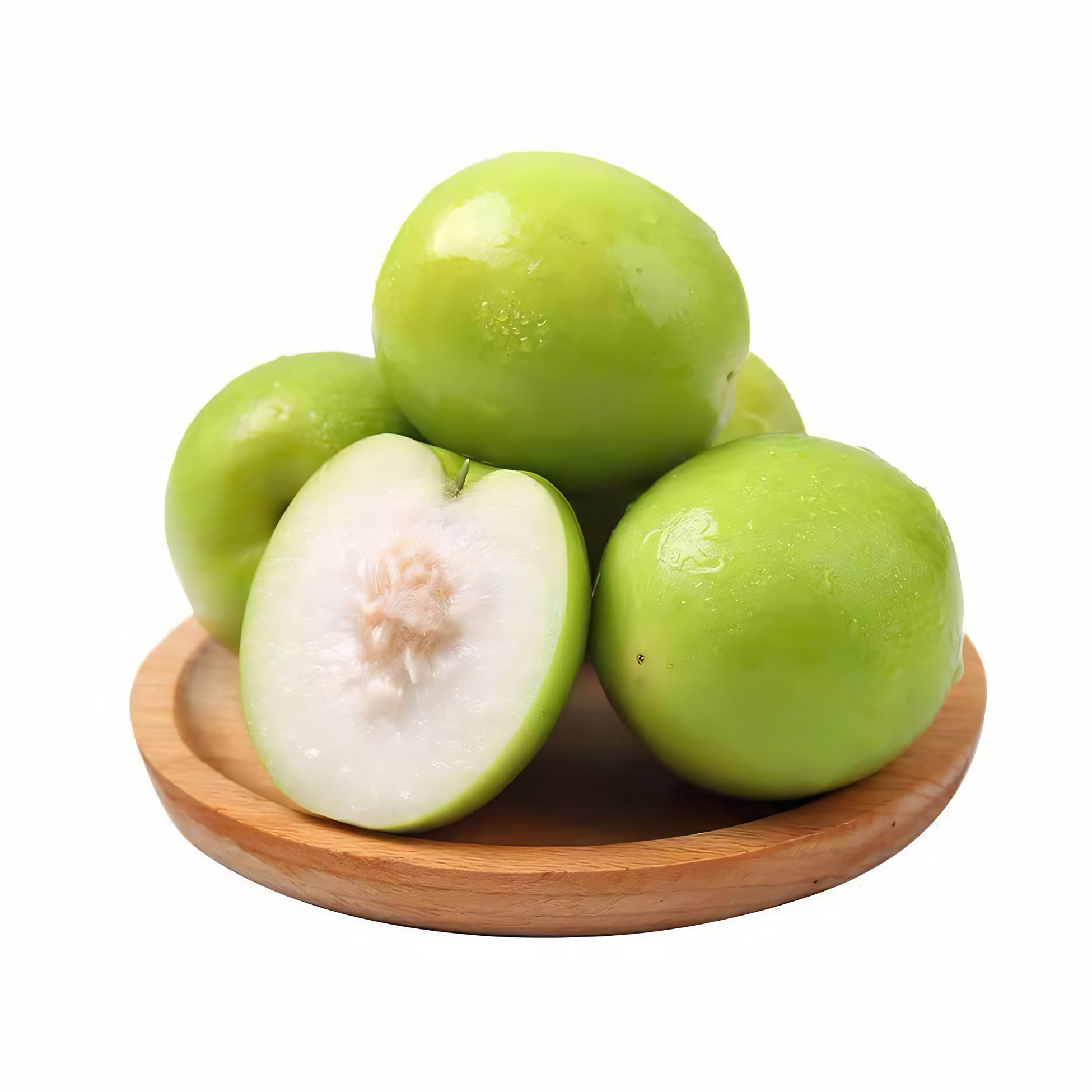
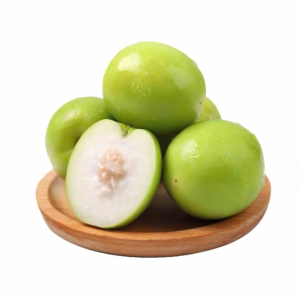
The Indian Jujube (Ziziphus mauritiana) is one of the most resilient and economically valuable tropical fruit species within the Rhamnaceae family. Recognized for its exceptional drought tolerance, rapid growth performance, and highly adaptable ecological characteristics, this deciduous fruit tree has become an important component of tropical and subtropical agriculture across Asia, Africa, and arid regions worldwide. Botanically, the species exhibits vigorous branching architecture, deep root penetration systems, and efficient water use physiology that enable stable fruit production under harsh environmental conditions where many conventional fruit crops struggle to survive.
Historically, Ziziphus mauritiana originated from South Asia and gradually spread throughout tropical Africa, the Middle East, and Southeast Asia via ancient trade and migration networks. For centuries, the fruit has played a vital role in traditional agricultural systems due to its nutritional value, medicinal applications, and outstanding environmental resilience. Over generations, selective cultivation and regional adaptation produced numerous superior cultivars featuring larger fruits, improved sweetness, reduced thorn density, and enhanced commercial marketability.
In modern agro industrial contexts, Indian Jujube has become increasingly important within fresh fruit markets, dried fruit industries, herbal medicine sectors, and climate resilient agricultural systems. The fruit contains high concentrations of Vitamin C, antioxidants, dietary fiber, potassium, and natural sugars that contribute to both nutritional value and consumer demand. Due to its strong tolerance against heat, drought, and poor soils, Indian Jujube is widely promoted as a sustainable fruit crop for semi arid and tropical farming systems.
Flavor Profile (Indian Jujube Sensory Profile)
- Taste: Sweet and refreshing with apple-like crispness when immature, transitioning into rich honey like sweetness when fully ripe.
- Texture: Crisp and crunchy during early maturity, becoming softer and denser at full ripeness.
- Aroma: Mild fruity fragrance with subtle tropical apple and caramel-like undertones.
Multipurpose Benefits (Beyond the Fruit)
- Fruit Benefits: Rich in Vitamin C, potassium, antioxidants, and dietary fiber that support immunity, digestion, hydration, and overall metabolic wellness.
- Medicinal Benefits of Jujube Leaves: Traditionally utilized in herbal medicine for soothing skin irritation and supporting anti-inflammatory applications.
- Therapeutic Properties of Jujube Fruits & Seeds: Commonly studied for antioxidant activity, calming effects, and traditional wellness formulations.
- By Product Utilization: Wood, leaves, and branches are widely utilized for livestock fodder, biomass fuel, organic mulch, and sustainable agroforestry systems.
Optimizing the agronomic performance of Indian Jujube requires strategic orchard spacing, controlled pruning systems, and efficient nutrient management. The species develops extensive branching structures and deep rooting systems that allow stable productivity even under low rainfall environments. Proper orchard planning significantly improves fruit size, canopy ventilation, harvesting efficiency, and long-term plantation sustainability.
Furthermore, understanding the tree’s drought adaptive physiology and flowering cycles enables growers to maximize annual fruit production and commercial profitability. The following structural and productivity parameters define the optimal operational framework for establishing highly productive Indian Jujube plantations.
Yield Potential
Provides highly profitable commercial yields with strong adaptability to dry tropical climates and expanding demand in fresh fruit and dried fruit industries.
Planting Density
- Standard Spacing: 5 meters x 5 meters or 6 meters x 6 meters depending on cultivar vigor and pruning intensity.
- Trees per Hectare: Approximately 275 to 400 trees per hectare under standard orchard systems.
Seed Requirement
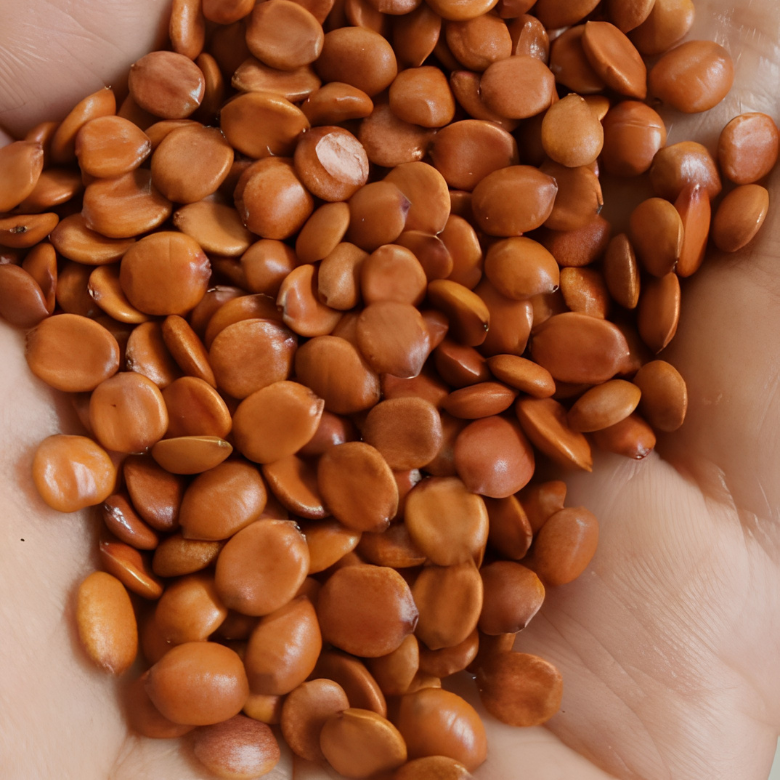
- Per Hectare: Approximately 400 to 600 seeds or grafted saplings are recommended per hectare depending on nursery selection methods.
Growth Metrics
- Time to First Harvest: 2 to 3 years after transplanting for grafted plants under optimal growing conditions.
- Tree Height & Canopy Diameter: Typically reaches 4 to 8 meters in height with broad spreading canopy structures.
- Productive Lifespan: Remains commercially productive for approximately 20 to 30 years with proper orchard maintenance.
Yield Breakdown
- Early Production (Years 2–3): Produces initial commercial fruit yields as canopy establishment progresses.
- Peak Production (Years 5+): Yields approximately 80 to 200+ kg of fruits per tree annually under professional orchard management systems.
- Annual Harvest Season: Commonly produces one major harvest season annually depending on regional rainfall and temperature patterns.
Pest & Disease Resistance
- Natural Shielding: Exhibits strong natural resilience against drought stress and fluctuating tropical environmental conditions.
- Antifungal Resilience: Performs best in dry, well ventilated orchard systems with proper pruning management.
- Pro Tip for Growers: Strategic post harvest pruning significantly improves flowering intensity and fruit size during the following production cycle.
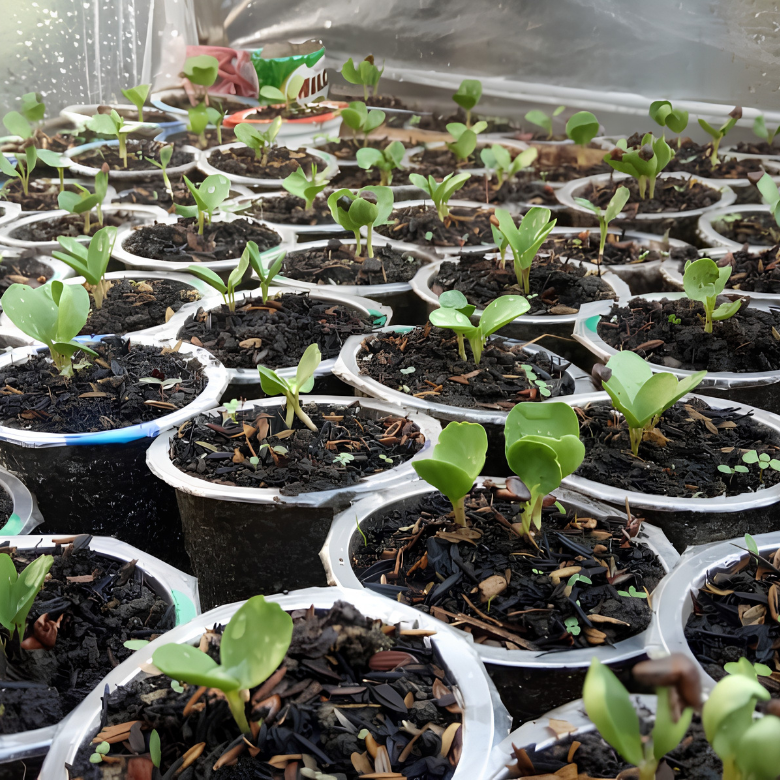
Successful cultivation of Indian Jujube depends heavily on warm climatic conditions, proper sunlight exposure, and efficient soil drainage. Young seedlings establish rapidly under tropical conditions due to their aggressive root development and adaptive physiological mechanisms. Because the species naturally tolerates drought and nutrient poor soils, it is highly suitable for marginal agricultural lands and sustainable low input farming systems.
By integrating balanced fertilization, canopy management, and irrigation optimization during fruiting stages, growers can significantly improve fruit quality, sweetness, and commercial value. The following environmental requirements and propagation protocols outline the ideal framework for Indian Jujube cultivation.
Climate Adaptation
- Temperature: Thrives optimally between 20°C to 38°C and demonstrates excellent tolerance to heat and dry climates.
- Altitude: Best suited for low to medium elevations ranging from sea level up to approximately 1,500 meters above sea level.
- Sunlight: Requires full sunlight exposure for maximum flowering intensity, fruit sweetness, and canopy productivity.
Soil Requirements
- Nursery/Seedling Stage: Prefers loose, well-drained media consisting of sand, compost, and fertile topsoil with pH 5.5–7.5.
- Transplanting Stage: Performs exceptionally well in sandy loam, loamy, and moderately dry soils with good drainage characteristics.
Seed Germination & Propagation Protocol
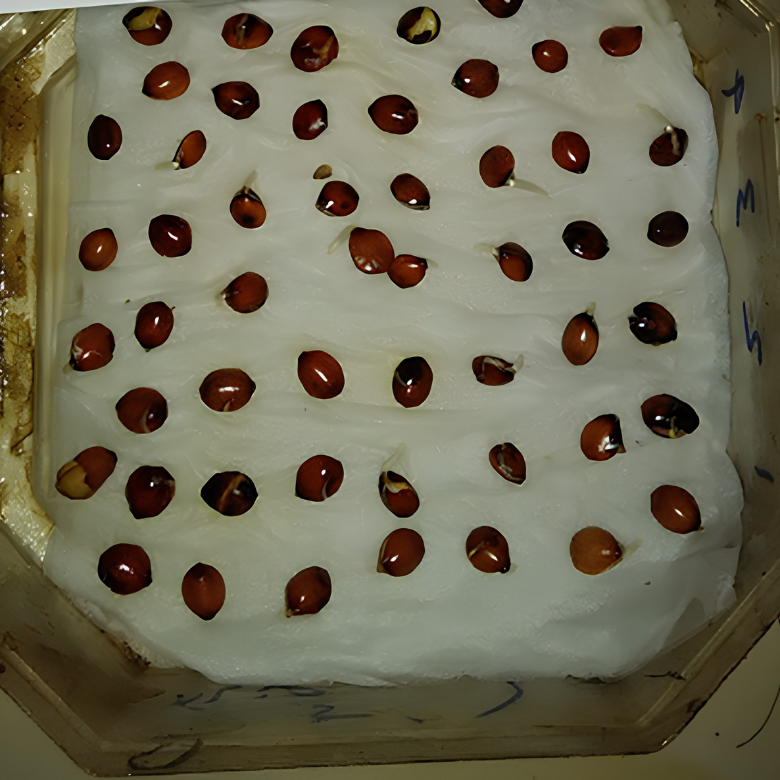
- Pre-Treatment: Scarify or soak seeds in lukewarm water for 24 hours prior to sowing to improve germination uniformity.
- Sowing: Plant seeds approximately 2–3 cm deep in moist nursery beds under warm environmental conditions.
- Germination Timeline: Seeds generally germinate within 15 to 40 days depending on seed quality and environmental stability.
- Transplanting Protocol: Seedlings or grafted plants are ready for field establishment once developing strong root systems and stable vegetative growth.
Advanced Microclimate Engineering for Dryland Fruit Production
- Soil Moisture Optimization: Organic mulching significantly improves moisture retention and root zone temperature stability.
- Orchard Ventilation Management: Regular canopy pruning improves airflow, sunlight penetration, and fruit coloration quality.
- Fruit Quality Engineering: Controlled irrigation during flowering and fruit enlargement stages enhances fruit size and sweetness accumulation.
Exogenous Phytohormone Applications (Natural Growth Triggers)
- Auxin & Gibberellin Inoculation: Seaweed based organic biostimulants and natural root enhancers may accelerate early root establishment and vegetative vigor.
- Cytokinin Boost: Diluted coconut water applications can improve seedling development and cellular expansion during nursery stages.
- Stress Reduction: Organic biofertilizers and beneficial microbial inoculants significantly improve root resilience, drought tolerance, and long-term orchard productivity.

Reviews
There are no reviews yet.