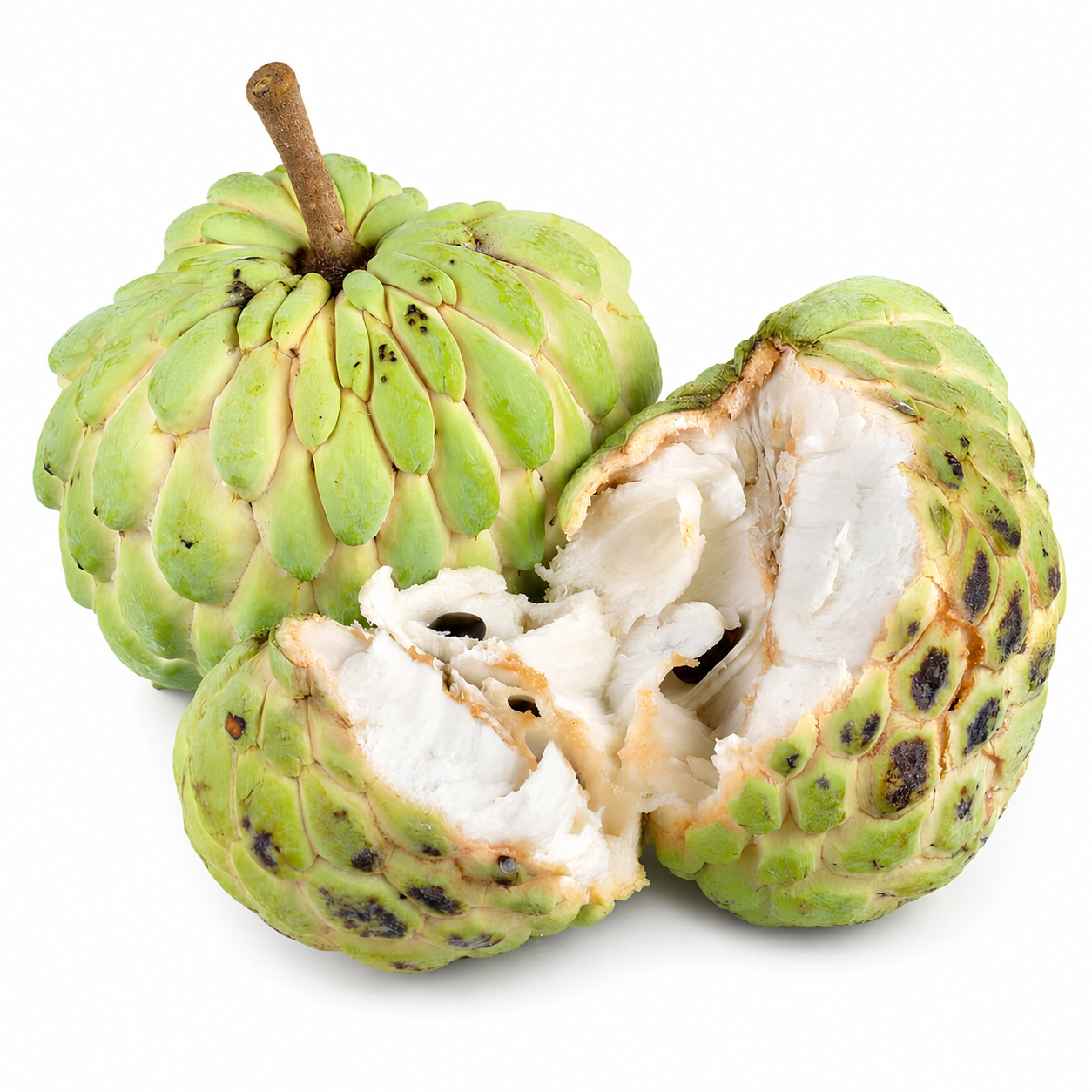
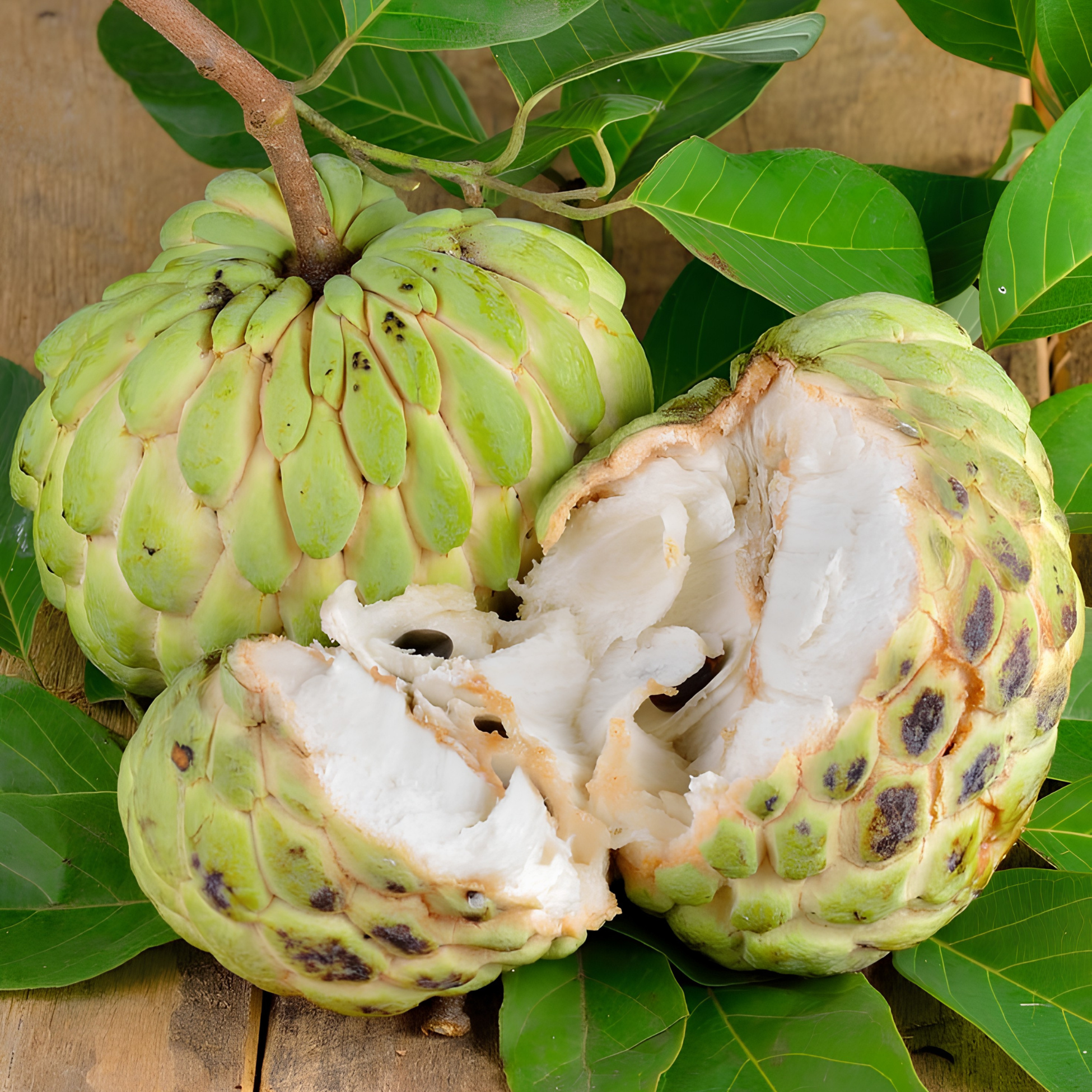
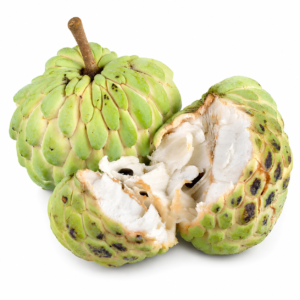
The Green Sugar Apple (Annona squamosa) is one of the most economically and botanically important tropical fruit species within the Annonaceae family. Characterized by its segmented green exterior, creamy white flesh, and exceptionally sweet flavor profile, this deciduous to semi evergreen fruit tree demonstrates remarkable adaptability to warm tropical and subtropical environments. From a horticultural perspective, the green fruited morphotype is highly regarded for its stable productivity, compact canopy structure, and excellent fruit quality, making it highly suitable for commercial orchards, tropical home gardens, and premium fresh fruit markets.
Historically, Annona squamosa originated from tropical regions of Central America and the Caribbean before spreading globally through ancient maritime trade routes. During the colonial era, the species rapidly naturalized across South Asia, Southeast Asia, and tropical Africa, where local selection gradually produced highly adapted green cultivars with improved sweetness, fruit size, and climatic resilience. Today, Green Sugar Apple remains one of the most widely cultivated annona species throughout tropical agricultural systems due to its strong market demand and broad environmental adaptability.
In modern agro-industrial and nutritional contexts, Green Sugar Apple is highly valued for its rich phytochemical composition, dessert quality flavor, and multipurpose medicinal applications. The fruit contains high levels of Vitamin C, potassium, magnesium, dietary fiber, and antioxidant compounds that contribute to both nutritional value and growing functional food demand. Due to its luxurious creamy texture and naturally sweet profile, the cultivar is increasingly favored in tropical export markets, smoothie industries, premium dessert products, and health-oriented fruit sectors.
Flavor Profile (Green Sugar Apple Sensory Profile)
- Taste: Intensely sweet with creamy tropical dessert-like flavor featuring hints of vanilla, banana, honey, and subtle floral nuances.
- Texture: Smooth, custard-like, creamy white flesh with soft melting consistency and minimal grittiness.
- Aroma: Fragrant and sweet with delicate tropical floral notes and ripe fruit undertones.
Multipurpose Benefits (Beyond the Fruit)
- Fruit Benefits: Rich in Vitamin C, potassium, magnesium, dietary fiber, and natural antioxidants that support immunity, digestion, and cardiovascular health.
- Medicinal Benefits of Sugar Apple Leaves: Traditionally utilized in herbal preparations containing anti-inflammatory, antimicrobial, and antioxidant phytochemicals.
- Therapeutic Properties of Roots & Bark: The roots and bark contain natural alkaloids and tannins historically utilized in traditional herbal medicine systems.
- By Product Utilization: Seeds and plant extracts are commonly studied for eco friendly biopesticide applications due to their natural bioactive compounds.
Optimizing the agronomic performance of Green Sugar Apple requires proper orchard spacing, balanced nutrient management, and stable tropical climatic conditions. The cultivar exhibits efficient canopy architecture and moderate root expansion, allowing growers to establish productive medium density orchards while maintaining adequate sunlight penetration and airflow. Proper management significantly improves fruit size, sweetness, and annual production consistency.
Furthermore, understanding the tree’s vegetative to reproductive transition and seasonal flowering behavior allows commercial growers to maximize fruiting cycles and orchard profitability. The following spatial and productivity metrics define the ideal operational framework for establishing high efficiency Green Sugar Apple plantations.
Yield Potential
Provides highly profitable premium fruit yields with strong demand in tropical fresh fruit markets and specialty dessert industries.
Planting Density
- Standard Spacing: 4 meters x 4 meters or 5 meters x 4 meters depending on pruning intensity and soil fertility.
- Trees per Hectare: Approximately 500 to 625 trees per hectare under standard tropical orchard systems.
Seed Requirement
- Per Hectare: Approximately 1,000 to 1,200 premium seeds or grafted seedlings are recommended per hectare for optimal orchard establishment.
Growth Metrics
- Time to First Harvest: 18 to 24 months after transplanting under optimal tropical growing conditions.
- Tree Height & Canopy Diameter: Typically reaches 3 to 5 meters in height with compact spreading canopy structures.
- Productive Lifespan: Remains commercially productive for approximately 15 to 20 years with proper orchard management.
Yield Breakdown
- Early Production (Years 2–3): Produces approximately 20 to 50 fruits per tree annually during initial productive stages.
- Peak Production (Years 5+): Yields approximately 100 to 150+ premium fruits or 25–40 kg per tree annually under professional management systems.
- Annual Harvest Season: Commonly produces one to two major harvest cycles annually depending on rainfall distribution and climatic conditions.
Pest & Disease Resistance
- Natural Shielding: Displays moderate tolerance against common tropical fruit pests due to its relatively firm immature fruit structure.
- Antifungal Resilience: Performs best in well-drained soils with balanced orchard airflow management.
Pro Tip for Growers: Routine organic neem-based spraying during flowering stages helps maintain high cosmetic fruit quality and reduce insect pressure.
Successful cultivation of Green Sugar Apple depends heavily on warm climatic conditions, efficient soil drainage, and balanced moisture management. Young seedlings require careful root zone management because the species is moderately sensitive to prolonged waterlogging and compacted soils. Due to its rapid fruiting behavior and high sugar accumulation potential, nutrient availability especially potassium and organic matter becomes critical for maintaining fruit quality and sweetness.
By integrating proper orchard sanitation, pruning systems, and biological soil enhancement practices, growers can significantly improve fruit production, sweetness, and long term plantation stability. The following environmental requirements and propagation protocols outline the optimal framework for Green Sugar Apple cultivation.
Climate Adaptation
- Temperature: Thrives optimally between 22°C to 34°C under tropical and subtropical conditions.
- Altitude: Best suited for low-to-medium elevations ranging from sea level up to approximately 1,000 meters above sea level.
- Sunlight: Requires full sunlight exposure for optimal flowering, fruit development, and sugar accumulation.
Soil Requirements
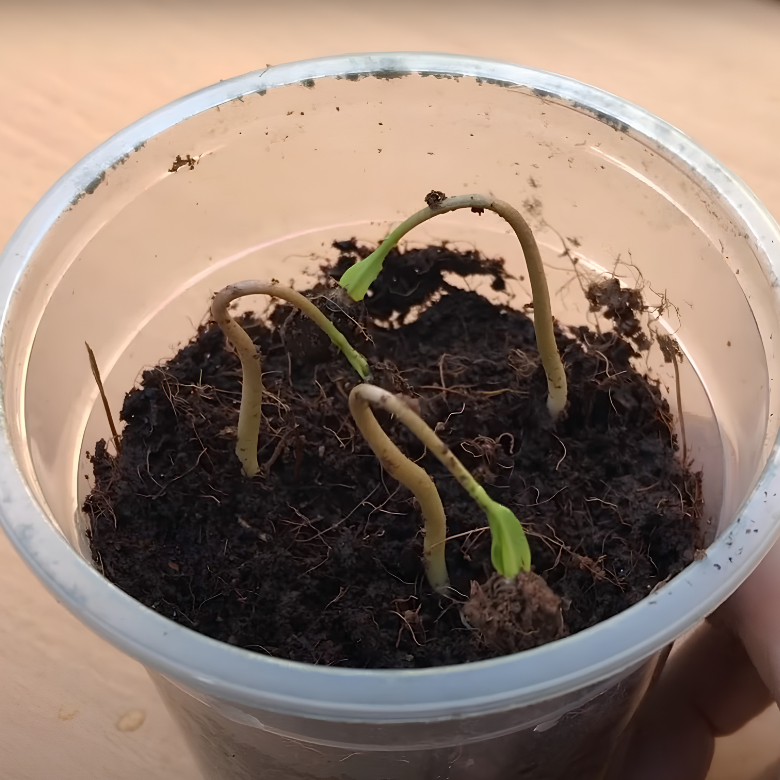
- Nursery/Seedling Stage: Prefers loose, highly porous media consisting of coco peat, sand, compost, and fertile topsoil with pH 6.0–6.8.
- Transplanting Stage: Performs best in deep, fertile, well drained sandy loam soils rich in organic matter.
Seed Germination & Propagation Protocol
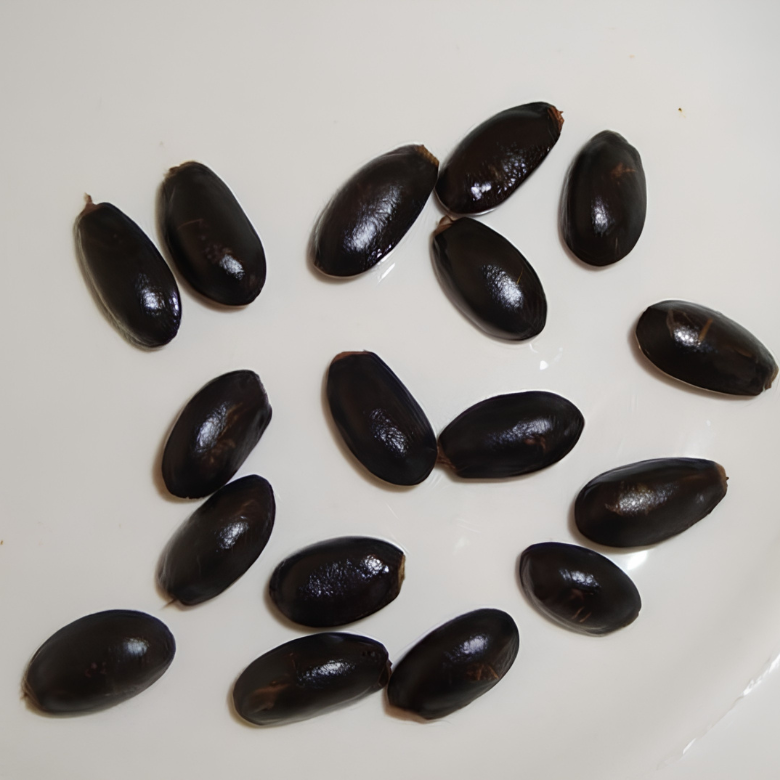
- Pre-Treatment: Soak seeds in lukewarm water for 24 hours prior to sowing to soften the seed coat and accelerate embryo activation.
- Sowing: Plant seeds approximately 1.5 cm deep in moist nursery trays under warm environmental conditions.
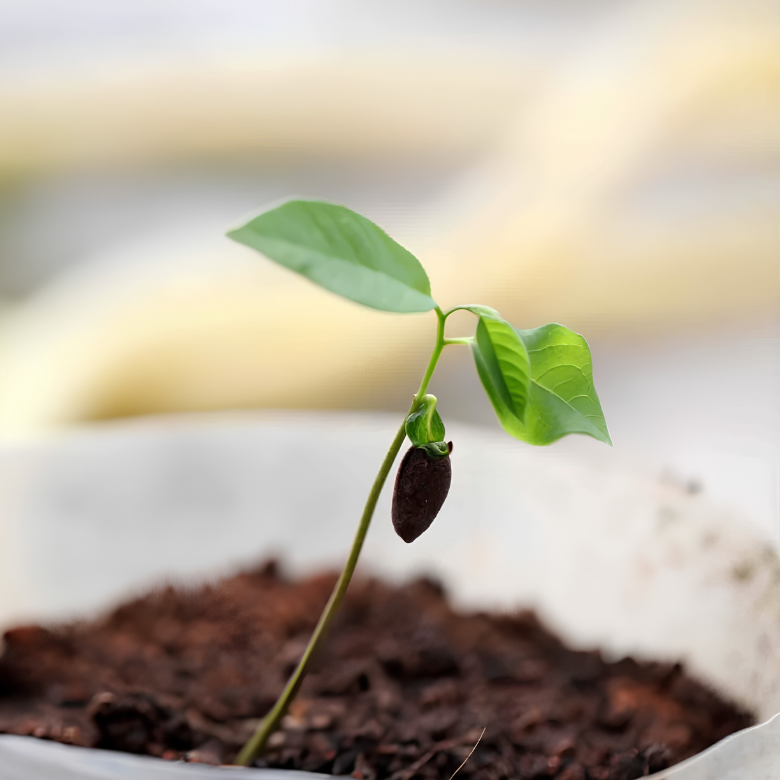
- Germination Timeline: Seeds generally germinate within 15 to 30 days depending on temperature stability and seed quality.
- Transplanting Protocol: Seedlings are ready for field transfer once reaching 30–40 cm in height with healthy root development and multiple true leaves.
Advanced Microclimate Engineering for Tropical Fruit Production
- Orchard Ventilation Optimization: Proper canopy pruning and spacing improve airflow and significantly reduce fungal disease pressure.
- Irrigation Stability: Controlled irrigation management prevents fruit cracking and stabilizes sugar accumulation during fruit enlargement stages.
- Fruit Quality Engineering: Balanced potassium and calcium nutrition significantly enhance fruit sweetness, flesh texture, and shelf life quality.
Exogenous Phytohormone Applications (Natural Growth Triggers)
- Auxin & Gibberellin Inoculation: Natural onion extract and seaweed based biostimulants may accelerate root establishment and vegetative vigor.
- Cytokinin Boost: Diluted coconut water applications can enhance early cellular development and nursery stage growth performance.
Stress Reduction: Organic mulching and beneficial microbial inoculants significantly improve soil moisture retention, root resilience, and long term orchard productivity.

Reviews
There are no reviews yet.