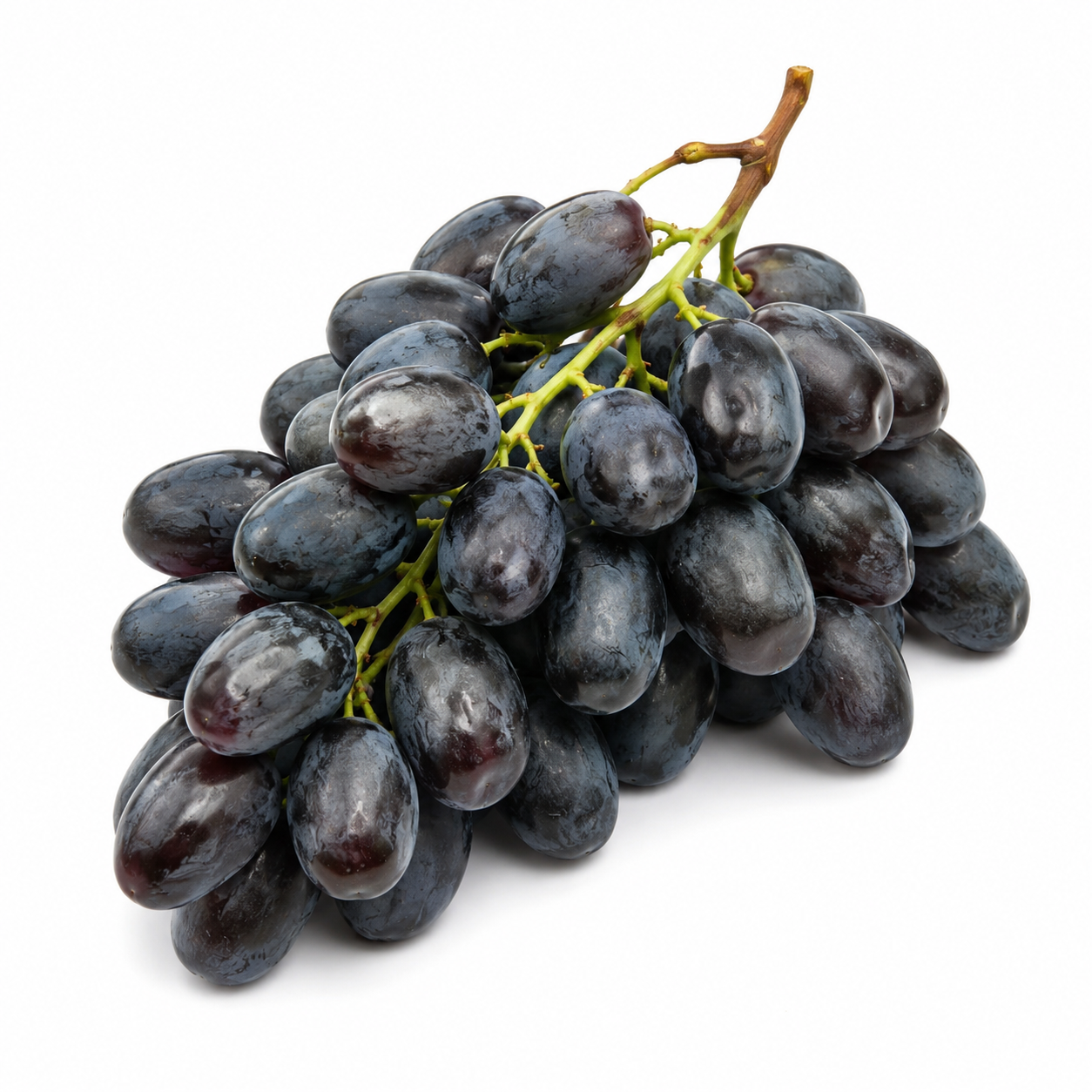
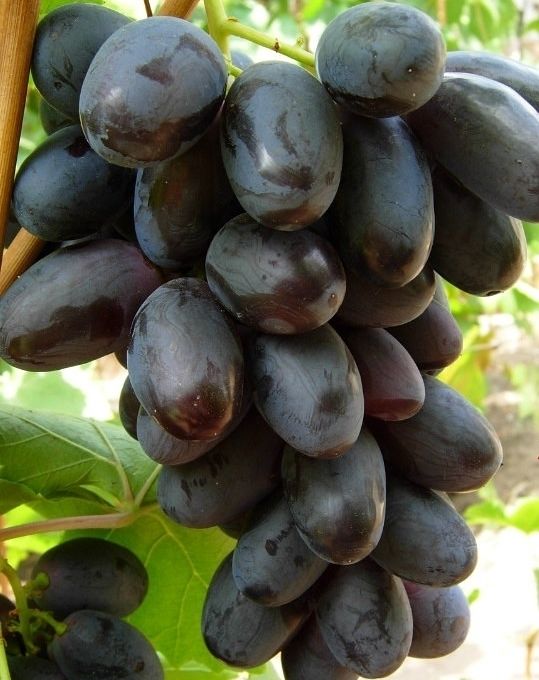
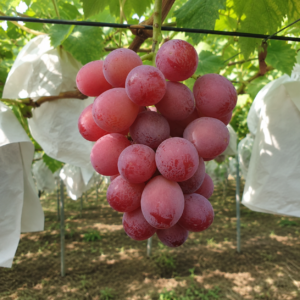
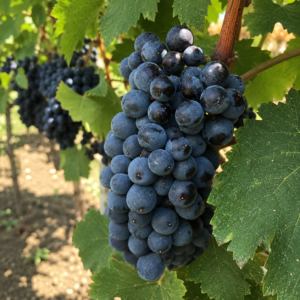
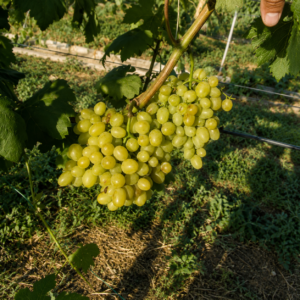
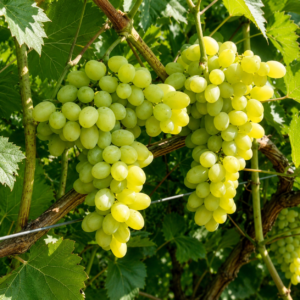
The Giovanni Grape (Vitis vinifera) is a table grape cultivar recognized for its exceptional sweetness, attractive berry appearance, and refined aromatic profile. Belonging to the Vitaceae family, this deciduous climbing vine exhibits vigorous growth behavior, efficient cluster formation, and high commercial adaptability for fresh fruit markets. The cultivar is especially valued for its uniform berry size, deep coloration, and balanced sugar acid ratio, making it highly desirable for premium table grape consumption and export oriented fruit production systems.
Historically, Giovanni-type grape selections are associated with refined European viticulture traditions where Vitis vinifera cultivars were selectively bred for enhanced sweetness, texture, and market appeal. Over time, improved clonal selections and vineyard management practices contributed to the stabilization of high quality dessert grape lines similar to Giovanni grapes. These selections became increasingly important in global fruit trade due to their ability to meet consumer demand for seedless, sweet, and visually attractive table grapes.
In modern agricultural and commercial contexts, Giovanni grapes are cultivated for fresh consumption, fruit export markets, dessert industries, and premium supermarket chains. The berries contain natural sugars, organic acids, flavonoids, and antioxidants that contribute to both nutritional value and sensory appeal. Due to their refined taste profile and strong consumer acceptance, Giovanni grapes are considered a high value cultivar in international table grape production systems.
Flavor Profile (Giovanni Grape Sensory Profile)
- Taste: Intensely sweet with balanced mild acidity, featuring rich berry like and floral undertones.
- Texture: Crisp, juicy, and firm with smooth skin and refreshing bite quality.
- Aroma: Light fruity fragrance with subtle floral and grape candy like notes.
Multipurpose Benefits (Beyond the Fruit)
- Fruit Benefits: Rich in Vitamin C, Vitamin K, potassium, and polyphenols that support cardiovascular health, hydration, and antioxidant protection.
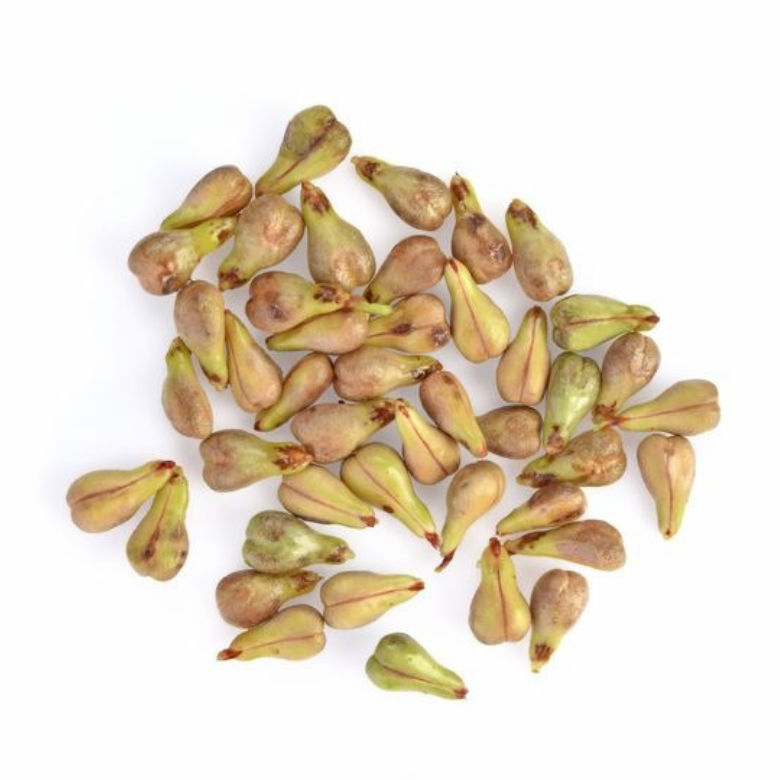
- Medicinal Benefits of Grape Seeds: Seeds contain proanthocyanidins widely studied for their strong antioxidant and vascular health benefits.
- Therapeutic Properties of Grapevine Leaves: Leaves are traditionally used in herbal preparations for circulation support and anti-inflammatory applications.
- By Product Utilization: Grape pomace is widely used in wine production, juice extraction, animal feed, composting, and natural antioxidant extraction industries.
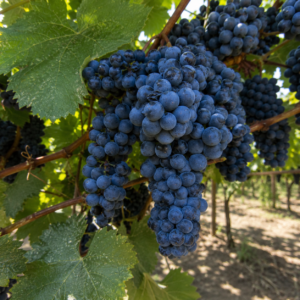
Optimizing the agronomic performance of Giovanni Grapes requires precise canopy management, trellis systems, and balanced nutrient programs. The cultivar exhibits strong climbing vine behavior with high fruiting potential along structured support systems. Proper vineyard design is essential to maximize sunlight exposure, sugar accumulation, and uniform berry development.
Furthermore, understanding the seasonal fruiting cycle and vegetative growth rhythm allows growers to optimize pruning schedules and maximize cluster quality. The following structural and production metrics define the ideal framework for establishing high efficiency Giovanni grape vineyards.
Yield Potential
Provides high value premium table grape yields with strong demand in fresh fruit export and dessert fruit markets.
Planting Density
- Standard Spacing: 2.5 meters x 2 meters or 3 meters x 2.5 meters depending on trellis system and pruning strategy.
- Plants per Hectare: Approximately 1,300 to 2,000 vines per hectare under commercial vineyard systems.
Seed Requirement
- Per Hectare: Approximately 1,500 to 2,200 grafted vines are recommended per hectare for commercial vineyard establishment.
Growth Metrics
- Time to First Harvest: 12 to 18 months after transplanting under optimal vineyard management conditions.
- Vine Length & Canopy Structure: Vines can extend 3 to 6 meters depending on trellis system and pruning intensity.
- Productive Lifespan: Remains commercially productive for 15 to 25 years under proper vineyard management.
Yield Breakdown
- Early Production (Year 2): Produces initial commercial clusters with moderate yield levels.
- Peak Production (Years 3–5): Yields approximately 15 to 25+ tons of grapes per hectare annually under professional management systems.
- Annual Harvest Season: Typically produces one to two harvest cycles depending on climate and pruning strategy.
Pest & Disease Resistance
- Natural Shielding: Moderate tolerance to environmental stress when grown under controlled vineyard systems.
- Antifungal Resilience: Requires good airflow and canopy management to reduce mildew and fungal pressure.
- Pro Tip for Growers: Strategic leaf thinning and cluster exposure significantly improve berry coloration and sugar concentration.
Successful cultivation of Giovanni grapes depends heavily on temperate to subtropical climates, structured trellis systems, and precise pruning management. Young vines require careful training to establish strong framework branches that support long-term productivity. Because grapevines are highly responsive to sunlight and pruning intensity, canopy control becomes a key factor in determining fruit quality and yield consistency.
By integrating drip irrigation systems, balanced fertilization, and canopy optimization techniques, growers can maximize berry size, sweetness, and market value. The following environmental requirements and propagation protocols outline the optimal framework for Giovanni grape cultivation.
Climate Adaptation
- Temperature: Thrives optimally between 18°C to 30°C under temperate and subtropical conditions.
- Altitude: Best suited for low-to-medium elevations up to approximately 1,200 meters above sea level.
- Sunlight: Requires full sunlight exposure for optimal sugar development and fruit coloration.
Soil Requirements
- Nursery/Seedling Stage: Prefers loose, well drained, fertile media with pH 5.5–6.8.
- Transplanting Stage: Performs best in sandy loam or loamy soils with excellent drainage and moderate organic content.
Seed Germination & Propagation Protocol
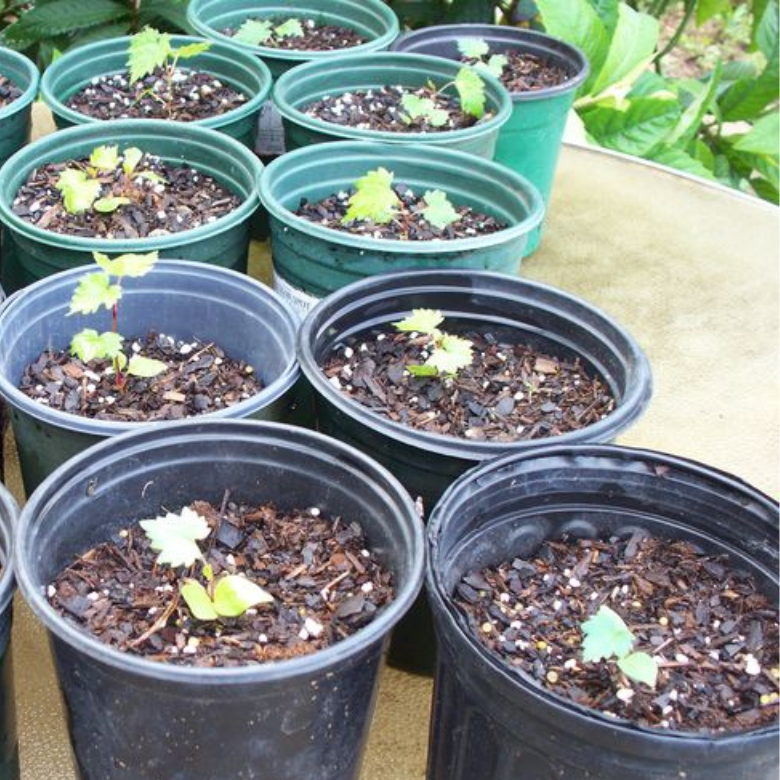
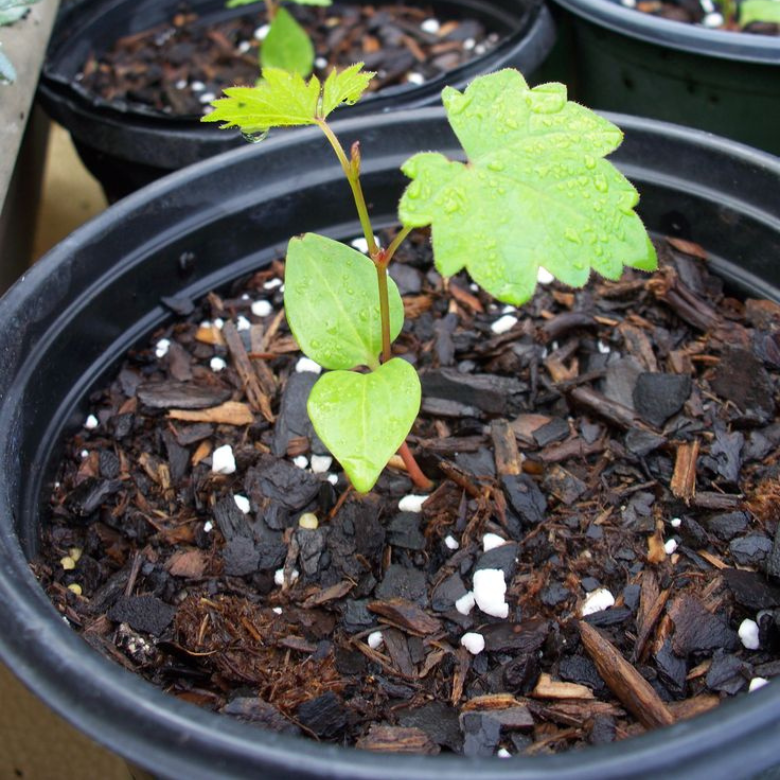
- Pre-Treatment: Typically propagated via grafting or cuttings rather than seed to maintain varietal consistency.
- Sowing: Rooted cuttings are planted in nursery beds or polybags under controlled humidity conditions.
- Establishment Timeline: Root development stabilizes within 2–6 weeks depending on propagation method.
- Transplanting Protocol: Vines are transferred to trellis systems once strong root and shoot development is achieved.
Advanced Microclimate Engineering for Vineyard Production
- Trellis Optimization: Vertical shoot positioning improves sunlight distribution and fruit uniformity.
- Canopy Management: Strategic pruning enhances airflow and reduces fungal disease risk.
- Fruit Quality Engineering: Balanced potassium and magnesium nutrition significantly improves sweetness and berry firmness.
Exogenous Phytohormone Applications (Natural Growth Triggers)
- Auxin & Gibberellin Inoculation: Natural seaweed extracts may enhance rooting and early vine establishment.
- Cytokinin Boost: Organic plant tonics can stimulate shoot growth during early vegetative stages.
- Stress Reduction: Mulching and microbial soil inoculants improve water retention and root zone stability.

Reviews
There are no reviews yet.