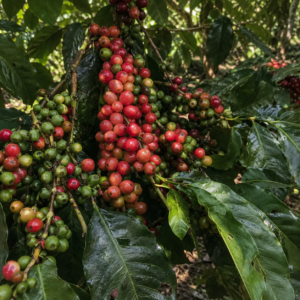
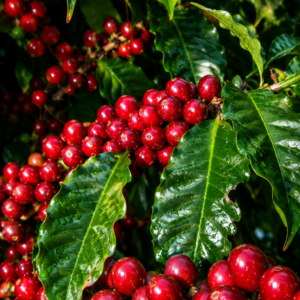
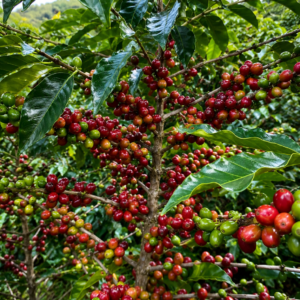
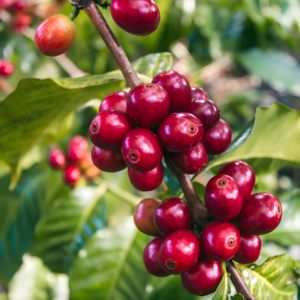
The Abyssinia coffee cultivar represents one of the most historically and genetically significant lineages within the species Coffea arabica. Originating from the ancient highland forests of Ethiopia formerly known as Abyssinia this heirloom genotype is widely regarded as one of the primordial ancestors of modern arabica coffee cultivation. From a botanical and phylogenetic perspective, Abyssinia coffee exhibits an exceptionally broad genetic diversity, allowing the cultivar to develop remarkable environmental adaptability, strong vegetative vigor, and highly complex biochemical pathways responsible for elite cup quality. Its semi wild genetic structure and heterogeneous population dynamics make it a highly valuable germplasm resource for specialty coffee breeding and climate resilient agricultural systems.
Historically, coffee from the Abyssinian Highlands played a foundational role in the emergence of the global coffee trade. Indigenous Ethiopian communities cultivated and consumed coffee centuries before its dissemination into Yemen and the Arabian Peninsula through ancient Red Sea trading networks. During the medieval and early modern periods, Abyssinia coffee became the genetic foundation of countless arabica varieties distributed throughout Asia, Latin America, and Africa. Modern specialty coffee industries continue to revere Abyssinia derived cultivars due to their extraordinary aromatic complexity, vibrant acidity, and distinctive floral fruity sensory profiles associated with high altitude Ethiopian terroirs.
In contemporary agro industrial and biochemical contexts, Abyssinia coffee remains a focal point of scientific and commercial interest. The beans possess high concentrations of volatile aromatic compounds, chlorogenic acids, and natural sugars that contribute to their globally recognized specialty grade characteristics. Due to its immense genetic variability, this cultivar also serves as an essential resource for breeding programs targeting climate adaptation, drought resilience, and disease resistance. Across international specialty coffee markets, Abyssinia coffee is consistently associated with premium single origin microlots, exotic cup profiles, and luxury artisanal roasting segments.
Flavor Profile (Abyssinia Sensory Profile)
- Taste: Exhibits highly layered flavor characteristics featuring bright citrus acidity, stone fruits, wild berries, honey sweetness, and elegant floral undertones resembling jasmine and bergamot tea.
- Texture: Smooth, silky, and tea-like body with refined mouthfeel and balanced structural clarity highly favored in specialty coffee cupping protocols.
- Aroma: Intensely aromatic with dominant floral fragrances, ripe tropical fruits, cocoa nibs, sweet herbs, and delicate spice nuances during medium roast development.
Multipurpose Benefits (Beyond the Bean)
- Bean Benefits: Rich in chlorogenic acids, natural antioxidants, magnesium, and bioactive polyphenols known to support metabolic function, cardiovascular health, and cellular protection.
- Medicinal Benefits of Coffee Leaves: Traditionally utilized in Ethiopian herbal infusions containing mangiferin and polyphenolic compounds associated with antioxidant and anti- inflammatory properties.
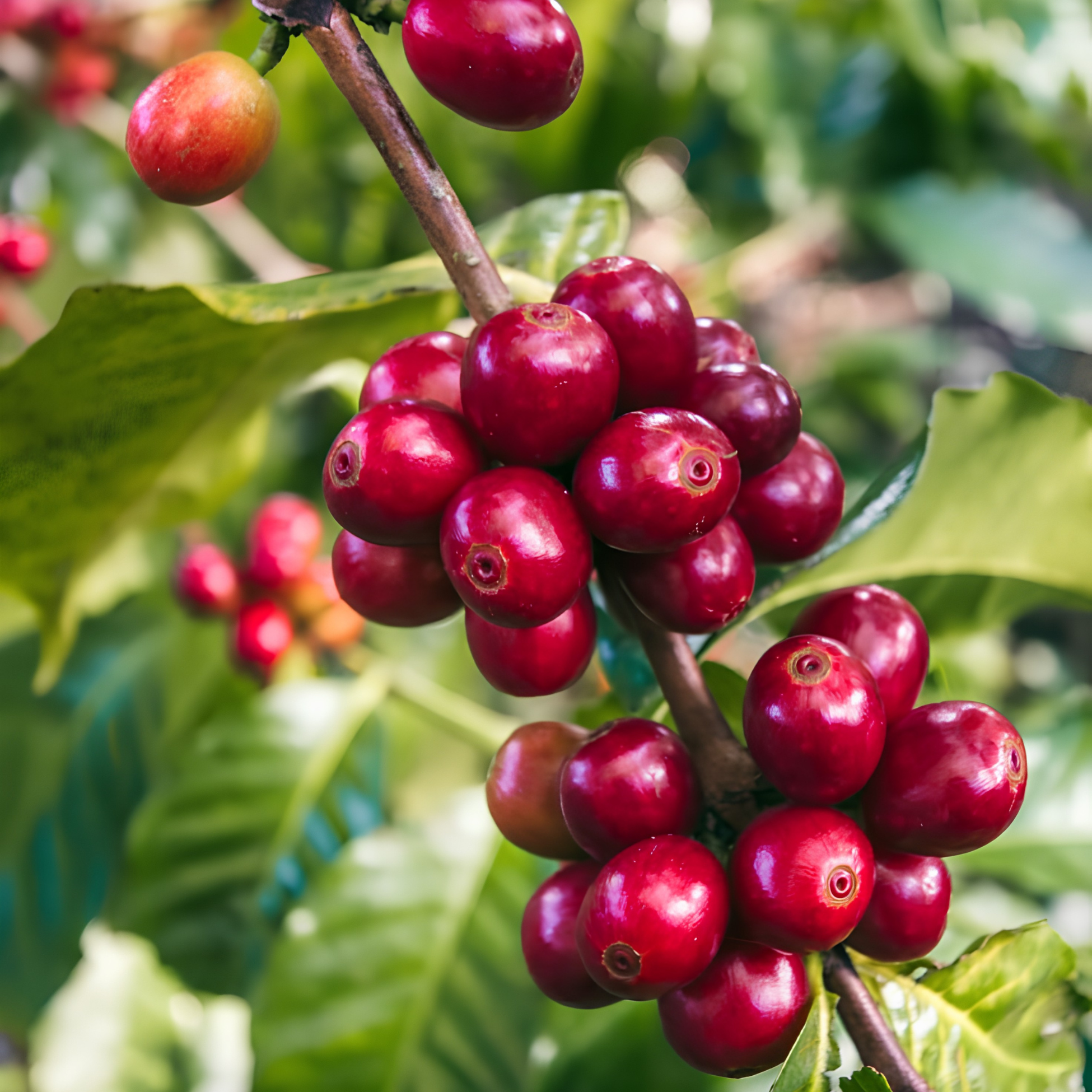
- Therapeutic Properties of Coffee Cascara: The fruit pulp is highly suitable for cascara tea production due to its fruity aromatic compounds and elevated soluble sugar content.
By Product Utilization: Coffee husks and parchment are extensively utilized for organic composting, vermiculture substrates, biomass fuel, and sustainable agroforestry nutrient cycling systems.
Optimizing the agronomic performance of Abyssinia coffee requires careful management of highland ecological conditions, canopy architecture, and nutrient availability. Unlike highly uniform commercial hybrids, Abyssinia heirloom populations display heterogeneous growth structures ranging from compact semi dwarf forms to vigorous tall phenotypes. This genetic variability contributes to exceptional adaptability but also requires selective orchard management strategies to maximize consistency in yield and cup quality.
Furthermore, understanding the reproductive development cycle and environmental responsiveness of this heirloom cultivar allows growers to enhance bean density, sugar accumulation, and aromatic complexity. The following structural, demographic, and yield metrics define the optimal operational framework for establishing a high quality Abyssinia coffee plantation.
Yield Potential
Provides premium specialty grade commercial output with exceptional market value in single origin and microlot coffee industries. Under optimal highland conditions, mature trees produce dense cherries with outstanding cup quality and elevated export premiums.
Planting Density
- Standard Spacing: 2.5 meters x 2.5 meters or 3 meters x 3 meters depending on shade intensity and soil fertility.
- Trees per Hectare: Approximately 1,100 to 1,600 trees per hectare under semi intensive specialty coffee systems.
Seed Requirement
- Per Hectare: Approximately 2,000 to 2,500 premium seeds per hectare are recommended to ensure nursery selection quality and healthy field establishment.
Growth Metrics
- Time to First Harvest: 24 to 36 months after transplanting under stable tropical highland conditions.
- Tree Height & Canopy Diameter: Commonly reaches 2.5 to 4 meters in height with broad, naturally spreading canopy architecture.
- Productive Lifespan: Remains economically productive for 20 to 30 years with proper rejuvenation pruning and soil management.
Yield Breakdown
- Early Production (Years 3–4): Produces approximately 0.5 to 1.5 kg fresh cherry per tree annually during early canopy establishment.
- Peak Production (Years 5+): Yields approximately 3 to 6 kg fresh cherry per tree annually under professional specialty coffee management systems.
- Annual Harvest Season: Generally produces one major harvest cycle annually, highly influenced by rainfall distribution and elevation.
Pest & Disease Resistance
- Natural Shielding: Possesses moderate natural resistance to certain local pests due to its broad genetic diversity and semi wild lineage.
- Antifungal Resilience: Several Abyssinia populations exhibit improved tolerance against Coffee Leaf Rust (Hemileia vastatrix) compared to highly uniform commercial cultivars.
- Pro Tip for Growers: Maintaining diversified shade trees and high organic matter significantly improves ecological resilience and long-term cup quality stability.
Successful cultivation of Abyssinia coffee depends heavily on replicating the ecological characteristics of its native Ethiopian montane forest habitats. The cultivar thrives under moderated sunlight, cool night temperatures, rich organic soils, and stable atmospheric humidity. Early stage seedlings are particularly sensitive to excessive heat stress and nutrient deficiencies, requiring carefully controlled nursery environments for optimal root morphogenesis and vegetative development.
By integrating agroforestry principles and biologically active soil systems, growers can maximize the cultivar’s natural vigor, aromatic complexity, and specialty grade potential. The following environmental requirements and propagation protocols define the ideal framework for establishing resilient, high performing Abyssinia coffee plantations.
Climate Adaptation
- Temperature: Performs optimally between 16°C to 26°C with cool nighttime conditions enhancing bean density and sugar accumulation.
- Altitude: Best suited for medium to high elevations ranging from 1,200 to 2,200 meters above sea level.
- Sunlight: Prefers partial shade systems with filtered sunlight to preserve leaf hydration and optimize slow cherry maturation.
Soil Requirements
- Nursery/Seedling Stage: Requires loose, highly organic, and moisture retentive substrates composed of topsoil, compost, coco peat, and sand with pH 5.5–6.5.
- Transplanting Stage: Thrives in deep, fertile, well drained volcanic or forest derived soils rich in organic matter and microbial activity.
Seed Germination & Propagation Protocol
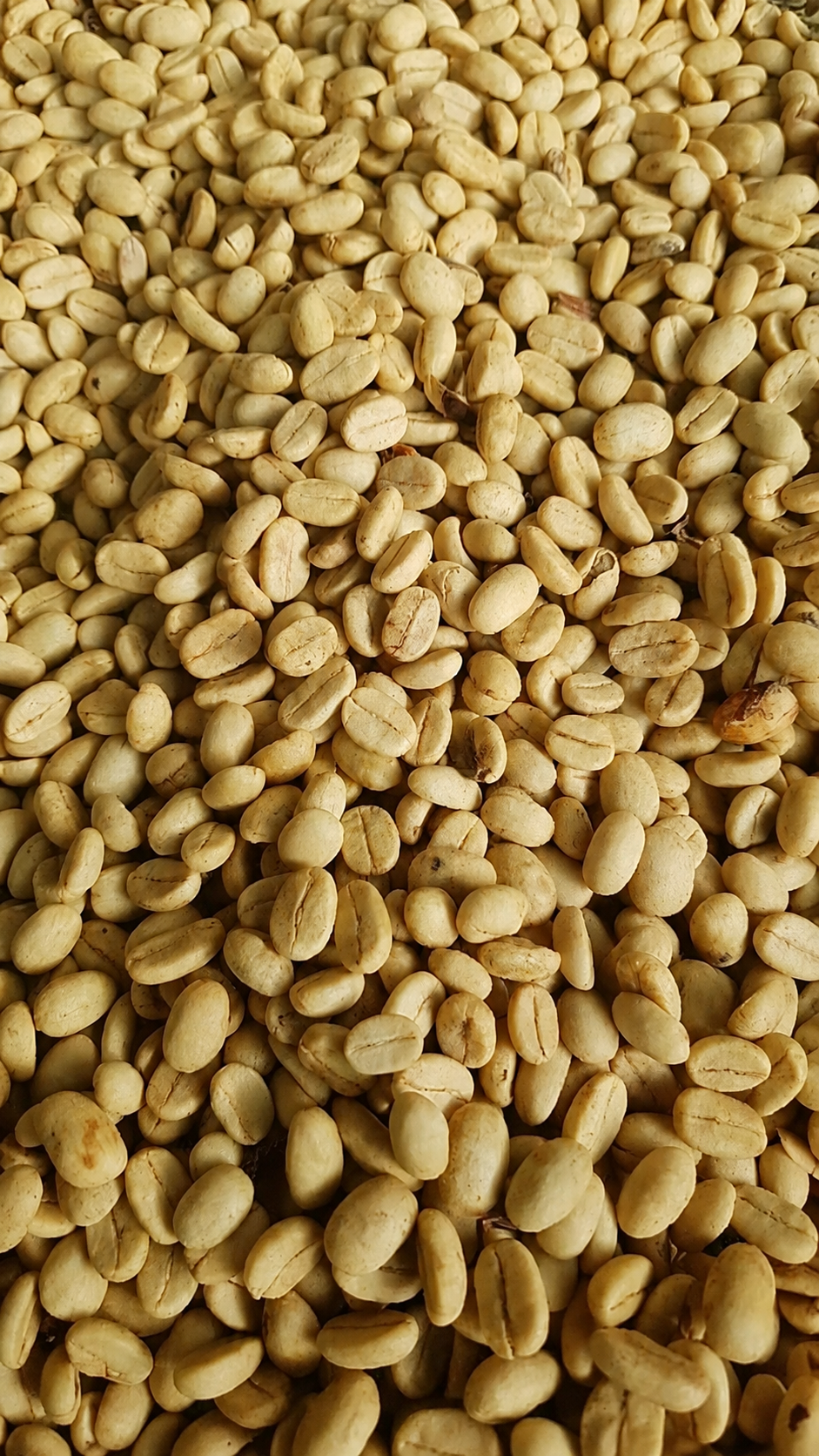
- Pre-Treatment: Soak freshly processed seeds in clean lukewarm water for 24 hours to activate embryo hydration and improve germination uniformity.
- Sowing: Plant seeds flat-side down approximately 1–1.5 cm deep in shaded nursery beds with consistent moisture control.
- Germination Timeline: Seeds generally germinate within 30 to 60 days depending on temperature and seed freshness.
- Transplanting Protocol: Transfer seedlings into polybags during the butterfly stage and maintain under 50% shade until reaching 25–35 cm before field establishment.
Advanced Microclimate Engineering for Specialty Production
- Shade Optimization: Utilize multilayer agroforestry systems incorporating nitrogen fixing shade trees to stabilize humidity and reduce heat stress.
- Humidity & Temperature Control: Maintain stable atmospheric humidity above 70% during nursery stages to prevent seedling desiccation and growth stagnation.
- Cherry Maturation Engineering: Slow ripening under cool highland microclimates significantly increases sugar concentration, bean density, and aromatic complexity.
Exogenous Phytohormone Applications (Natural Growth Triggers)
- Auxin & Gibberellin Inoculation: Organic seed soaking treatments using onion extract or seaweed solutions can stimulate stronger root elongation and uniform seedling emergence.
- Cytokinin Boost: Diluted coconut water applications enhance cellular division and early vegetative vigor during nursery establishment.
- Stress Reduction: Natural biostimulants combined with organic mulching significantly reduce transplant shock and improve overall seedling survival rates.

Reviews
There are no reviews yet.