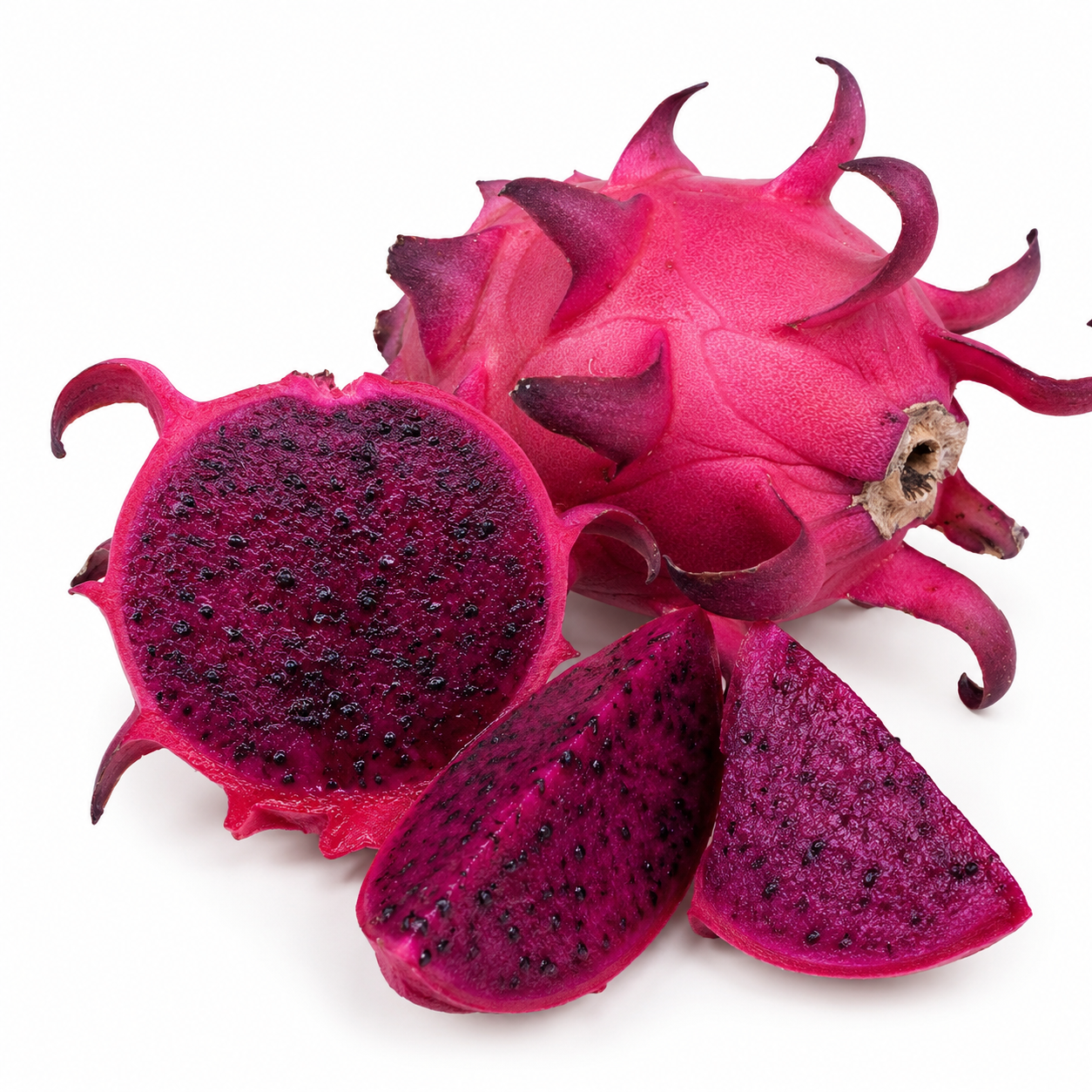
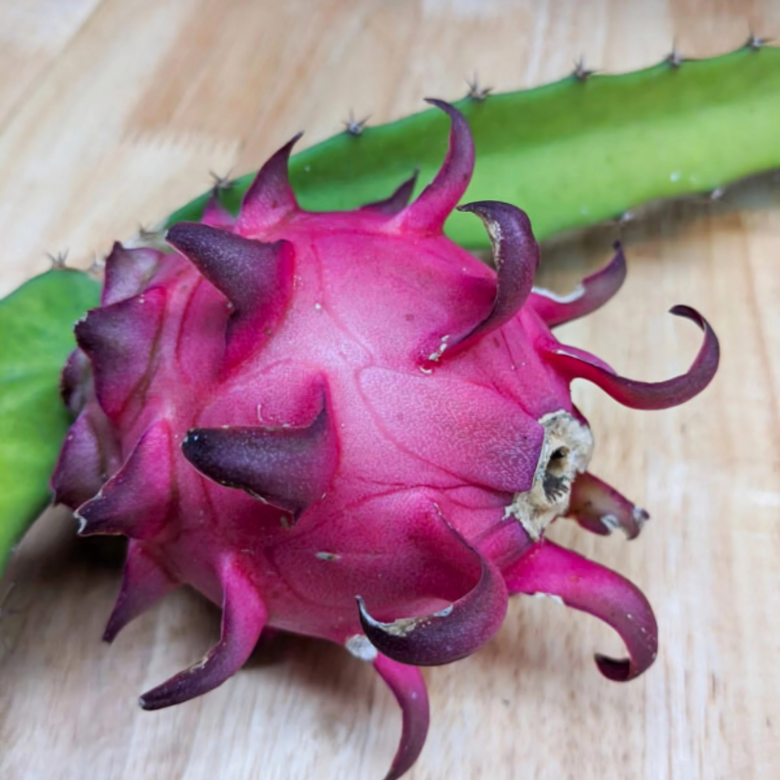
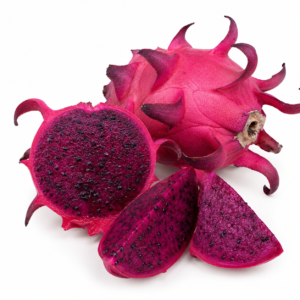
The Red Jaina Dragon Fruit (Hylocereus costaricensis) is a premium tropical cactus fruit cultivar highly celebrated for its vibrant deep red flesh, refreshing sweetness, and exceptional antioxidant richness. Belonging to the Cactaceae family, this fast growing climbing cactus exhibits vigorous stem development, nocturnal flowering behavior, and highly productive fruiting cycles under tropical and subtropical conditions. The cultivar is especially prized for its intense internal coloration, attractive external appearance, and superior nutritional profile, making it one of the most valuable dragon fruit varieties within global fresh fruit and health food markets.
Historically, red-fleshed dragon fruit species originated from tropical regions of Central and South America before spreading throughout Southeast Asia and other tropical agricultural regions through commercial horticultural expansion. Over time, selective breeding and localized adaptation produced superior red fleshed cultivars with improved sweetness, higher pigment concentration, and enhanced fruit size. Red Jaina Dragon Fruit emerged as a refined premium selection recognized for its rich coloration, elevated betalain antioxidant levels, and strong commercial appeal within export-oriented exotic fruit industries.
In modern agro industrial systems, Red Jaina Dragon Fruit has become increasingly important within fresh fruit export markets, nutraceutical industries, juice production, and premium functional food sectors. The fruit contains abundant Vitamin C, betalains, dietary fiber, magnesium, and antioxidant compounds associated with immune support and metabolic wellness. Due to its striking appearance and refreshing flavor profile, Red Jaina Dragon Fruit remains highly competitive in international exotic fruit, smoothie, and premium dessert industries.
Flavor Profile (Red Jaina Dragon Fruit Sensory Profile)
- Taste: Mildly sweet and refreshing with subtle berry, kiwi, and tropical melon-like flavor nuances.
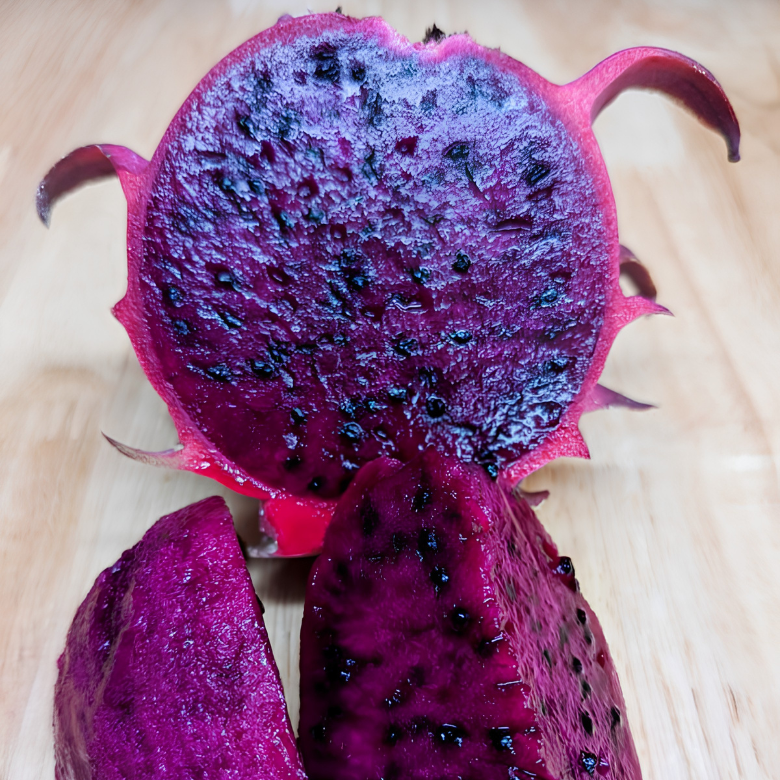
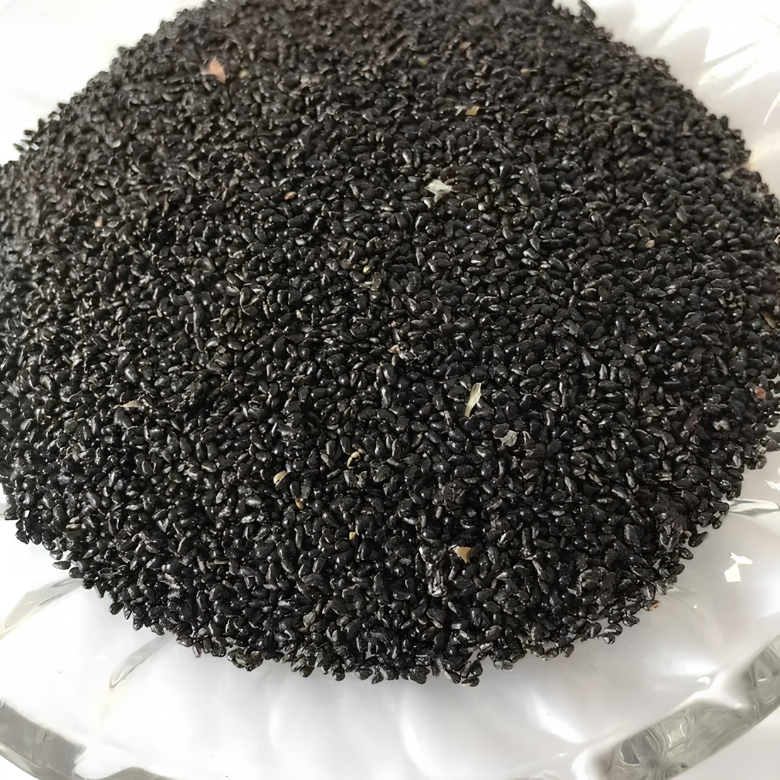
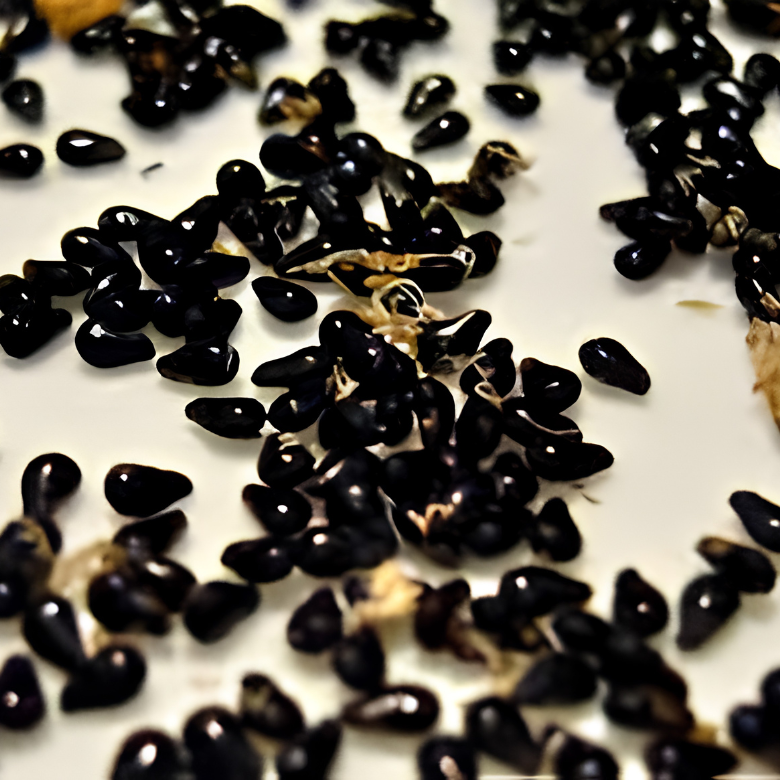
· Texture: Soft, juicy, and smooth with crunchy edible black seeds distributed throughout dense red flesh.
· Aroma: Delicate tropical fragrance featuring fresh melon, berry, and floral cactus fruit notes.
Multipurpose Benefits (Beyond the Fruit)
· Fruit Benefits: Rich in antioxidants, Vitamin C, dietary fiber, magnesium, and betalains supporting hydration, digestion, and cellular protection.
· Medicinal Benefits of Dragon Fruit Components: Traditionally associated with digestive support and antioxidant wellness applications.
· Therapeutic Properties of Dragon Fruit Pigments: Betalain compounds are widely studied for antioxidant and anti-inflammatory potential.
· By-Product Utilization: Dragon fruit pulp and peel are processed into juices, smoothies, natural food colorants, frozen desserts, jams, and cosmetic ingredients.
Optimizing the agronomic performance of Red Jaina Dragon Fruit requires strong trellising systems, balanced nutrient management, and proper pruning strategies. The cultivar develops vigorous climbing cactus stems capable of producing multiple fruiting cycles annually under favorable environmental conditions. Proper support structures and canopy regulation significantly improve fruit size, sweetness, and flowering intensity.
Furthermore, understanding the species’ nocturnal flowering behavior and rapid vegetative growth allows growers to maximize pollination efficiency and annual productivity. The following structural and productivity parameters define the ideal operational framework for establishing high-efficiency Red Jaina Dragon Fruit plantations.
Yield Potential
Provides highly profitable premium fruit yields with strong demand in fresh fruit export, health-food, and exotic dessert markets.
Planting Density
- Standard Spacing: 2.5 meters x 2.5 meters or 3 meters x 3 meters depending on trellis systems and pruning intensity.
· Plants per Hectare: Approximately 1,100 to 1,600 cactus posts or climbing units per hectare under commercial systems.
Seed Requirement
- Per Hectare: Approximately 1,500 to 2,000 rooted cuttings or elite propagules are recommended per hectare for optimal plantation establishment.
Growth Metrics
- Time to First Harvest: 8 to 14 months after transplanting under optimal tropical growing conditions.
· Stem Length & Canopy Structure: Climbing stems may extend 3 to 6 meters with dense branching development along support structures.
· Productive Lifespan: Remains commercially productive for approximately 15 to 20 years with proper plantation management.
Yield Breakdown
- Early Production (Year 1): Produces initial commercial fruit harvests during early establishment stages.
· Peak Production (Years 3–5): Yields approximately 20 to 40+ tons of fruits per hectare annually under professional management systems.
· Annual Harvest Season: Capable of multiple flowering and fruiting cycles annually in stable tropical climates.
Pest & Disease Resistance
· Natural Shielding: Exhibits strong drought tolerance and adaptability to fluctuating tropical environmental conditions.
· Antifungal Resilience: Performs best in well-drained soils with balanced canopy airflow and moderate humidity control.
· Pro Tip for Growers: Strategic pruning after harvest cycles significantly stimulates new flowering shoots and improves fruit uniformity.
Successful cultivation of Red Jaina Dragon Fruit depends heavily on warm climates, excellent drainage systems, and strong sunlight exposure. Young cuttings establish rapidly and develop aerial rooting structures capable of climbing vertical supports efficiently. Because the species naturally produces repeated flowering cycles throughout the year, balanced potassium and calcium availability become essential for sustaining high fruit quality and continuous production.
By integrating vertical trellising systems, organic fertilization strategies, and efficient irrigation management, growers can significantly improve fruit coloration, sweetness, and plantation productivity. The following environmental requirements and propagation protocols outline the optimal framework for commercial Red Jaina Dragon Fruit cultivation.
Climate Adaptation
- Temperature: Thrives optimally between 20°C to 35°C under tropical and subtropical climates.
· Altitude: Best suited for low-to-medium elevations ranging from sea level up to approximately 1,200 meters above sea level.
· Sunlight: Requires full sunlight exposure for maximum flowering intensity and pigment development.
Soil Requirements
- Nursery/Seedling Stage: Prefers loose, porous, fast draining media with pH 5.5–6.8 consisting of sand, compost, coco peat, and fertile topsoil.
· Transplanting Stage: Performs best in sandy loam or well-drained volcanic soils rich in organic matter and aeration.
Seed Germination & Propagation Protocol
- Pre-Treatment: Stem cuttings should be air-dried for several days before planting to reduce fungal infection risks.
- Sowing: Plant cuttings approximately 5–10 cm deep near vertical support systems under warm conditions.
- Rooting Timeline: Root development generally stabilizes within 2 to 5 weeks depending on environmental conditions and cutting maturity.
- Transplanting Protocol: Rooted cuttings are ready for permanent trellis establishment once vigorous shoot growth begins.
Advanced Microclimate Engineering for Premium Dragon Fruit Production
- Trellis Optimization: Strong vertical support systems significantly improve canopy organization, airflow, and harvesting efficiency.
· Irrigation Stability: Moderate controlled irrigation prevents stem rot while supporting continuous flowering cycles.
· Fruit Quality Engineering: Balanced potassium and calcium nutrition significantly enhance fruit sweetness, flesh coloration, and post harvest quality.
Exogenous Phytohormone Applications (Natural Growth Triggers)
· Auxin & Gibberellin Inoculation: Organic seaweed extracts and natural root stimulants may accelerate rooting and vegetative expansion.
· Cytokinin Boost: Diluted coconut water applications can support rapid branching and flowering stimulation.
· Stress Reduction: Organic mulching and beneficial microbial inoculants significantly improve soil resilience, moisture stability, and long term plantation productivity.

 Inquiry via Email
 Inquiry via WhatsApp








Reviews
There are no reviews yet.