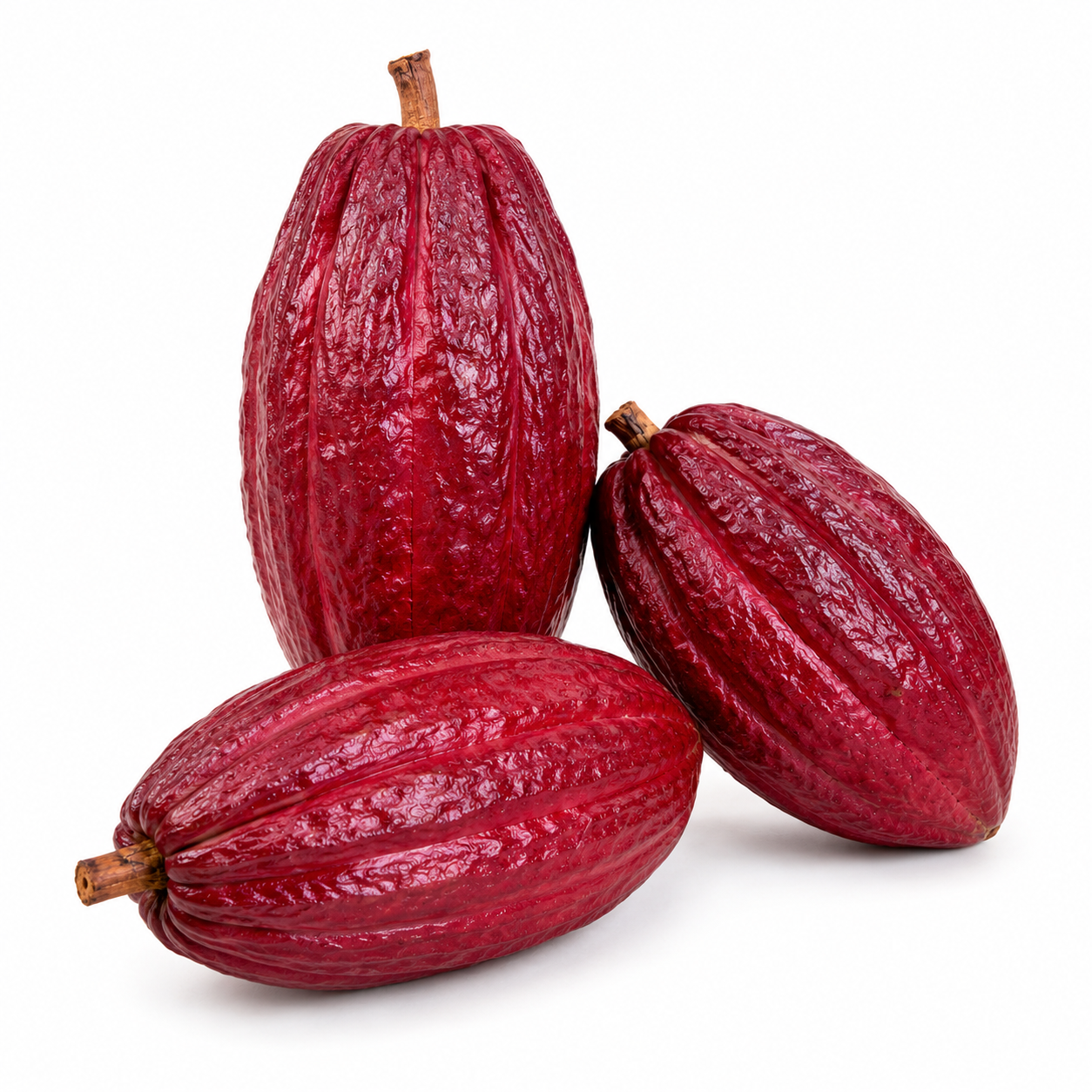
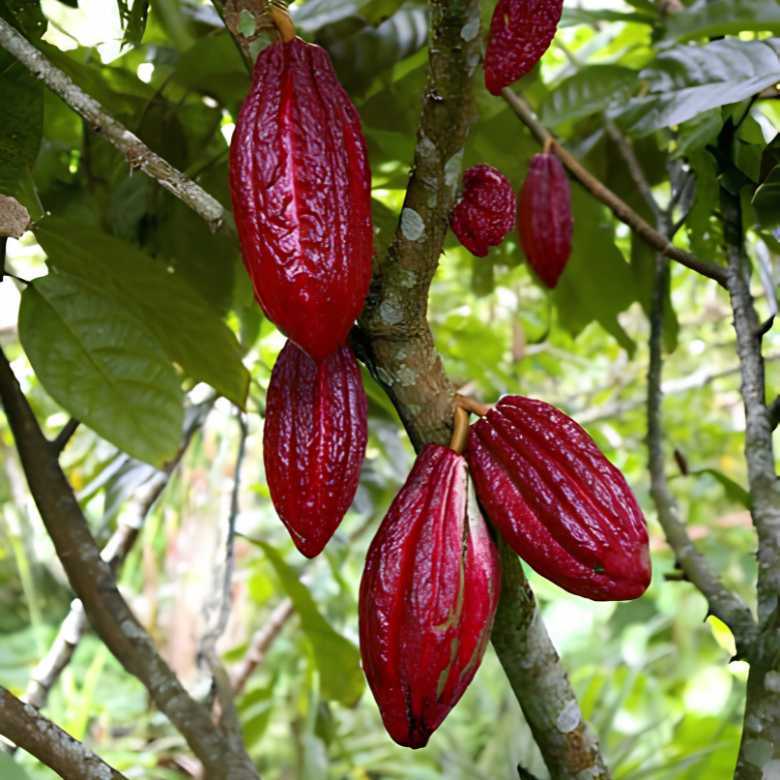
The Balinese Criollo Cocoa (Theobroma cacao) is a rare premium fine flavor cocoa cultivar highly prized for its exceptional aromatic complexity, delicate bitterness, and superior chocolate quality. Belonging to the Malvaceae family, this evergreen tropical understory tree exhibits elegant canopy growth, vibrant pod coloration, and highly aromatic cocoa beans recognized among the finest chocolate raw materials in the world. The cultivar is especially valued for its low bitterness, refined flavor spectrum, and luxury chocolate applications, making it one of the most desirable cocoa types within specialty cacao industries and artisan chocolate markets.
Historically, Criollo cocoa represents one of the oldest domesticated cacao lineages originating from ancient Mesoamerican civilizations, where cacao beans held ceremonial, cultural, and economic importance for centuries. Through maritime trade and tropical agricultural expansion, rare Criollo genetic materials spread into various tropical regions, including parts of Southeast Asia. In Bali, localized adaptation and careful cultivation practices contributed to the emergence of Balinese Criollo selections characterized by distinctive aromatic profiles, tropical terroir influence, and enhanced fine flavor characteristics suitable for premium chocolate production.
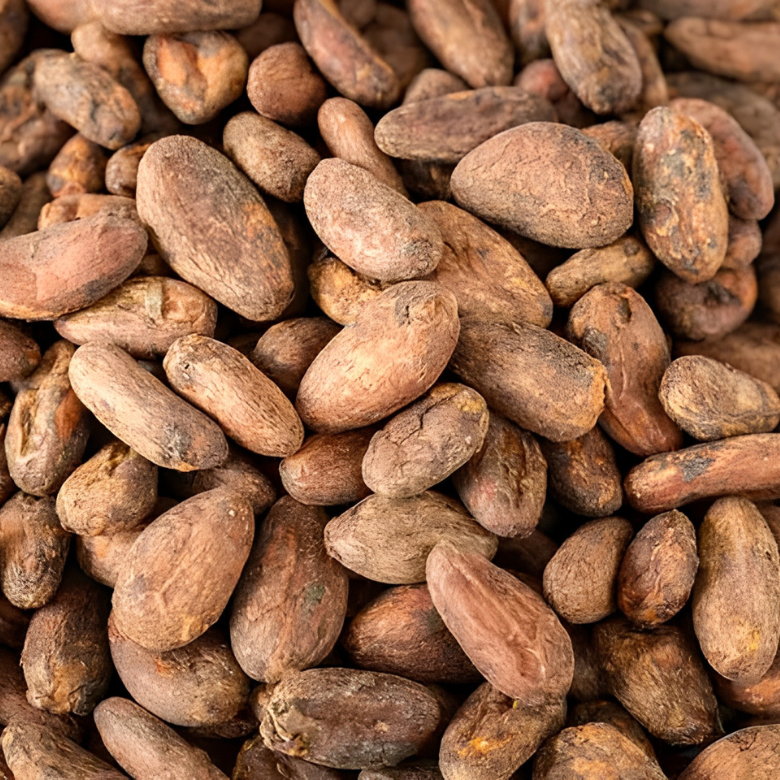
In modern agro-industrial systems, Balinese Criollo Cocoa occupies a prestigious niche within gourmet chocolate manufacturing, bean to bar production, and specialty cacao export industries. The beans contain rich concentrations of flavonoids, polyphenols, magnesium, and aromatic precursors essential for developing high end chocolate flavor complexity. Due to its refined sensory attributes and limited production scale, Balinese Criollo Cocoa commands premium market value among artisanal chocolatiers and luxury confectionery sectors worldwide.
Flavor Profile (Balinese Criollo Cocoa Sensory Profile)
- Taste: Smooth and refined with mild bitterness featuring floral, nutty, caramel, tropical fruit, and honey like chocolate nuances.
· Texture: Creamy cocoa mouthfeel with soft tannin structure and elegant flavor persistence.
· Aroma: Intensely aromatic with floral perfume, dried fruit, roasted nuts, vanilla, and exotic tropical spice notes.
Multipurpose Benefits (Beyond Chocolate Production)
· Bean Benefits: Rich in flavonoids, magnesium, antioxidants, iron, and natural polyphenols supporting cardiovascular and cognitive wellness.
· Medicinal Benefits of Cocoa Components: Traditionally associated with mood enhancement, antioxidant activity, and natural energy stimulation.
· Therapeutic Properties of Cocoa Butter: Widely utilized in premium cosmetic, skincare, pharmaceutical, and wellness industries.
· By-Product Utilization: Cocoa pulp, pod husks, and shells are processed into compost, livestock feed, cocoa tea, biochar, and organic fertilizer applications.
Optimizing the agronomic performance of Balinese Criollo Cocoa requires balanced shade management, high organic soil fertility, and stable tropical humidity conditions. The cultivar develops delicate branching structures and highly productive cauliflorous flowering systems capable of sustaining premium pod development under carefully managed agroforestry environments. Proper canopy regulation and nutrient balancing significantly improve bean quality, aromatic complexity, and long-term orchard productivity.
Furthermore, understanding the species’ shade adapted physiology and sensitive reproductive behavior allows growers to maximize bean fermentation quality and fine-flavor expression. The following structural and productivity parameters define the ideal framework for establishing premium Balinese Criollo cocoa plantations.
Yield Potential
Provides premium fine flavor cocoa bean yields with exceptionally high market value in specialty chocolate and gourmet cacao industries.
Planting Density
- Standard Spacing: 3 meters x 3 meters or 3 meters x 4 meters depending on shade systems and agroforestry integration.
· Trees per Hectare: Approximately 800 to 1,100 trees per hectare under professional cocoa plantation systems.
Seed Requirement
- Per Hectare: Approximately 1,200 to 1,500 elite seeds, grafted seedlings, or clonal plants are recommended per hectare for optimal establishment.
Growth Metrics
- Time to First Harvest: 2.5 to 4 years after transplanting under optimal tropical agroforestry conditions.
· Tree Height & Canopy Diameter: Typically reaches 3 to 8 meters in height with dense branching canopy structures.
· Productive Lifespan: Remains commercially productive for approximately 25 to 40 years with proper plantation management.
Yield Breakdown
- Early Production (Years 3–4): Produces initial premium cocoa pods during early reproductive stages.
· Peak Production (Years 6+): Yields approximately 800 kg to 2 tons of dry premium cocoa beans per hectare annually under fine-flavor management systems.
· Annual Harvest Season: Capable of multiple harvest cycles annually in humid tropical climates with continuous flowering behavior.
Pest & Disease Resistance
· Natural Shielding: Exhibits moderate tolerance against tropical environmental fluctuations when cultivated under balanced agroforestry systems.
· Antifungal Resilience: Performs best in well-ventilated shaded environments with strict orchard sanitation practices.
· Pro Tip for Growers: Precision fermentation and slow drying protocols dramatically enhance fine-flavor chocolate complexity and export value.
Successful cultivation of Balinese Criollo Cocoa depends heavily on stable humid tropical climates, partial shade systems, and biologically active soils rich in organic matter. Young cocoa trees establish gradually and remain highly sensitive to excessive sunlight, prolonged drought, and poor drainage conditions. Because Criollo cocoa prioritizes flavor quality over sheer productivity, careful environmental management becomes essential for preserving delicate aromatic compounds and premium bean characteristics.
By integrating agroforestry shade systems, biological fertilization strategies, and controlled post-harvest fermentation techniques, growers can significantly improve cocoa quality, flavor complexity, and plantation sustainability. The following environmental requirements and propagation protocols outline the optimal framework for commercial Balinese Criollo Cocoa cultivation.
Climate Adaptation
- Temperature: Thrives optimally between 22°C to 30°C under humid tropical rainforest climates.
· Altitude: Best suited for low to medium elevations ranging from sea level up to approximately 800 meters above sea level.
· Sunlight: Requires filtered sunlight or partial shade conditions especially during juvenile growth stages.
Soil Requirements
- Nursery/Seedling Stage: Prefers loose, porous, highly organic growing media with pH 5.5–6.8 consisting of compost, coco peat, sand, and fertile forest topsoil.
· Transplanting Stage: Performs best in deep, fertile, well drained loamy soils rich in humus and beneficial microbial activity.
Seed Germination & Propagation Protocol
- Pre-Treatment: Fresh seeds should be planted immediately after extraction due to short viability periods and sensitivity to dehydration.
- Sowing: Plant seeds approximately 2–3 cm deep in moist nursery media under shaded humid conditions.
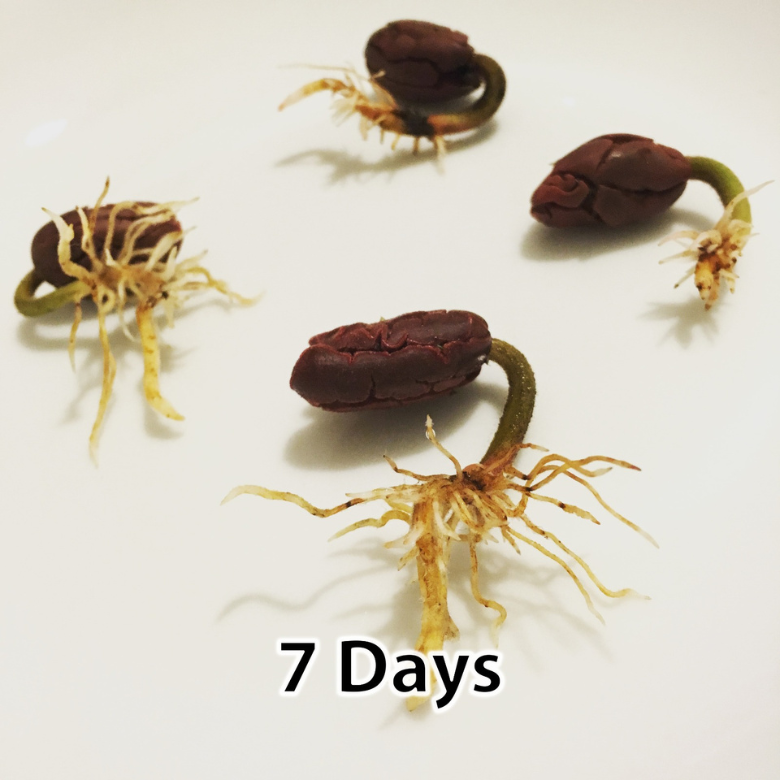
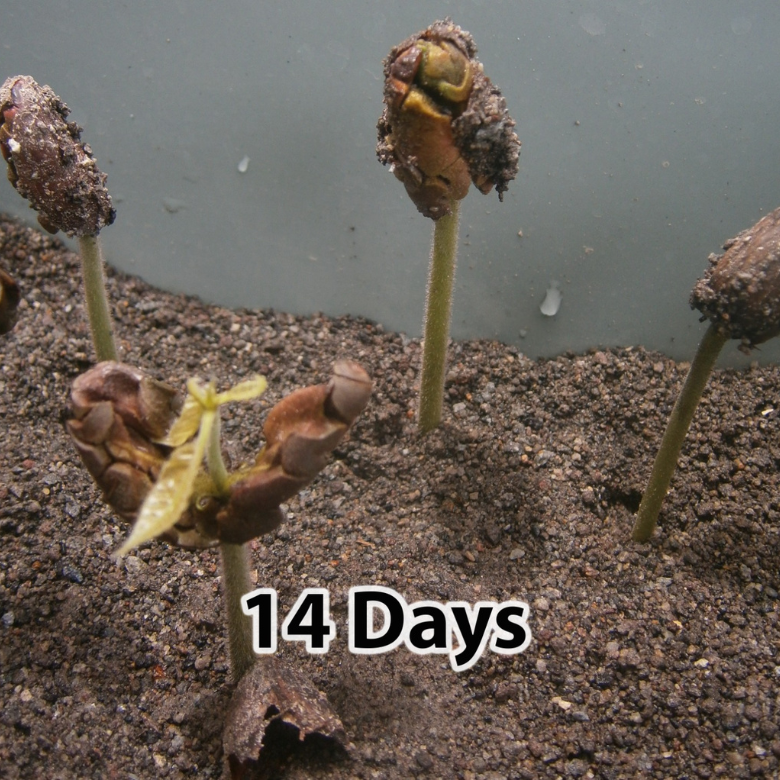
- Germination Timeline: Seeds generally germinate within 7 to 21 days depending on environmental stability and seed freshness.
- Transplanting Protocol: Seedlings are ready for field establishment once reaching approximately 30–50 cm in height with stable canopy development.
Advanced Microclimate Engineering for Fine Flavor Cocoa Production
- Shade Canopy Optimization: Multi layer agroforestry systems significantly improve bean aroma complexity and environmental resilience.
· Humidity Stabilization: Balanced airflow and moisture retention prevent fungal pressure while maintaining ideal pod development conditions.
· Bean Quality Engineering: Controlled fermentation and gradual solar drying significantly enhance chocolate aroma, acidity balance, and fine flavor expression.
Exogenous Phytohormone Applications (Natural Growth Triggers)
- Auxin & Gibberellin Inoculation: Organic seaweed extracts and natural root stimulants may accelerate juvenile root establishment and canopy vigor.
· Cytokinin Boost: Diluted coconut water applications can support healthy vegetative growth and flowering development.
· Stress Reduction: Organic mulching and beneficial microbial inoculants significantly improve soil biodiversity, moisture stability, and longterm plantation productivity.

Reviews
There are no reviews yet.