
 Inquiry via Email
 Inquiry via WhatsApp
Macadamia Nuts: High Oil Tree Crop with Exceptional Flavor and Long Term Yield Potential
Origin Historical and Botanical Heritage
Macadamia (Macadamia integrifolia and Macadamia tetraphylla) is a high value nut crop native to the subtropical rainforests of eastern Australia, particularly Queensland and New South Wales. First utilized by Indigenous Australians, it was later domesticated in the 19th century and developed through selective breeding to improve kernel quality, yield, and adaptability. Today, it is widely cultivated in suitable climates worldwide due to its premium quality and high oil content.
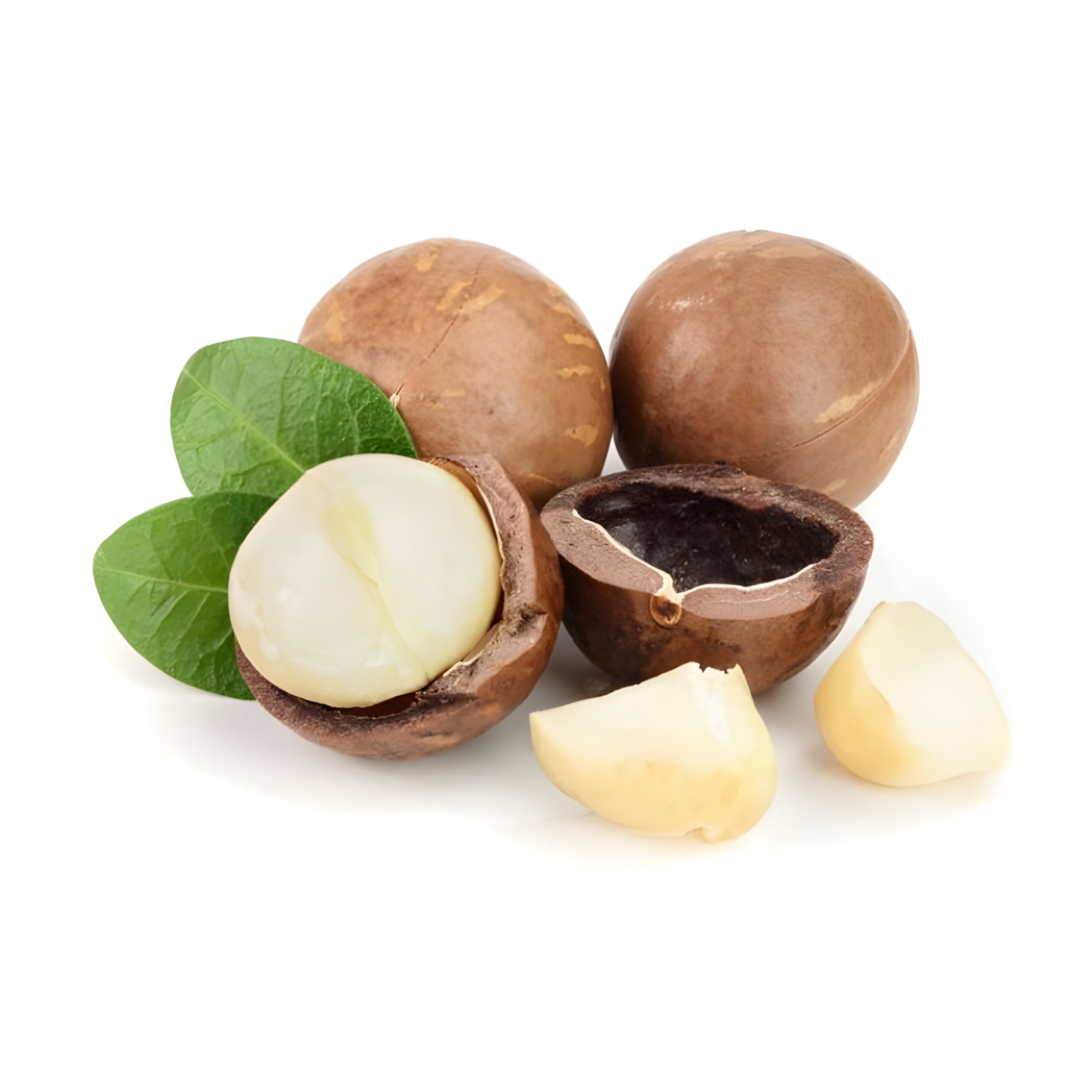
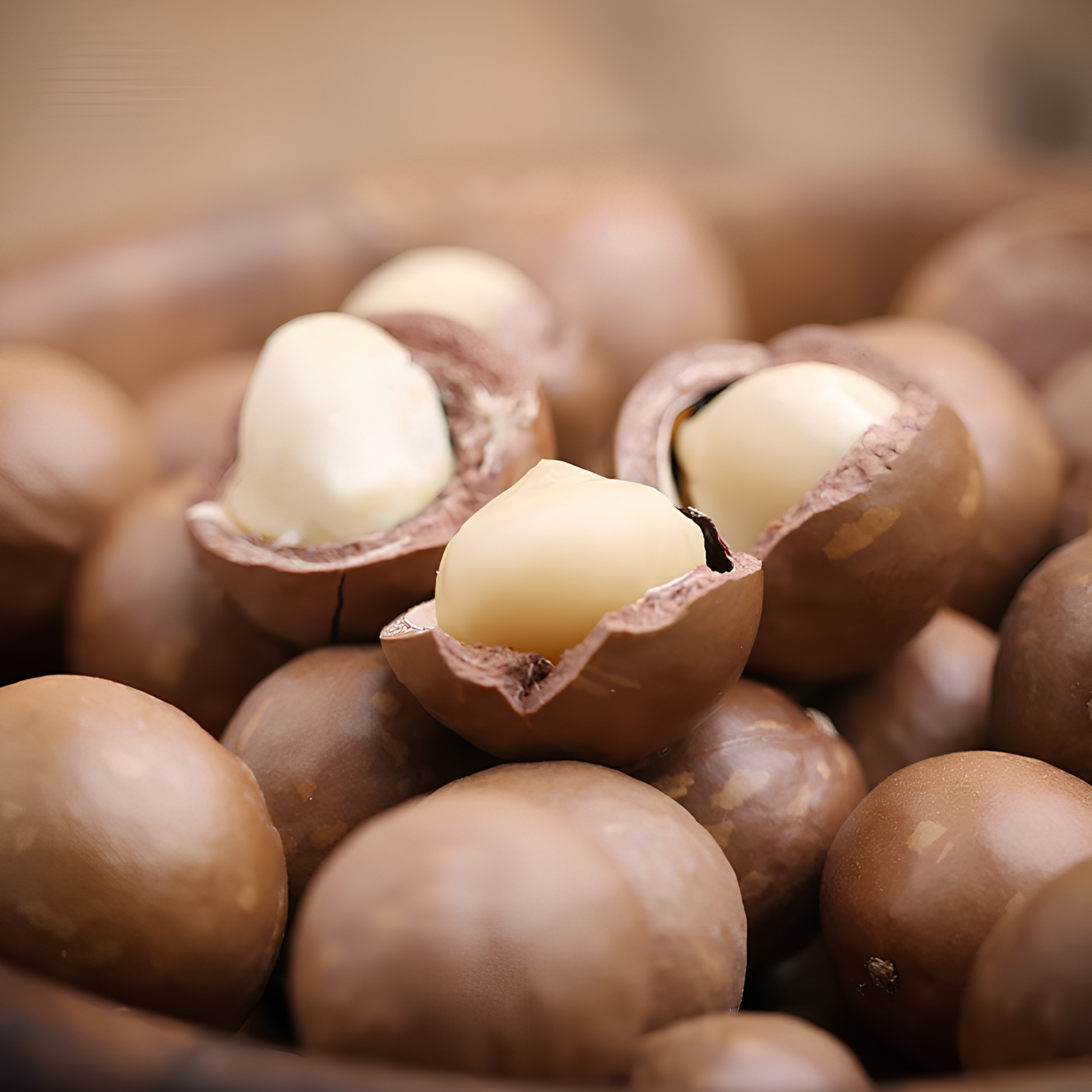
Botanically, macadamia is a long lived evergreen tree with a dense canopy and strong structure. The nuts are round with hard, woody shells enclosing creamy white kernels about 2–3 cm in diameter. Known for their smooth, buttery texture and exceptionally high oil content (up to 70–75%), improved cultivars also offer high kernel recovery. The nuts are protected by a green husk that naturally splits open when mature, signaling readiness for harvest.
Flavor Profile (Nut Sensory Profile)
Macadamia nuts are considered among the most premium nuts in the world, offering a mild natural sweetness and a smooth, buttery, creamy texture. They ունեն a rich, nutty aroma, with flavor notes that are delicately buttery and slightly sweet, often enhanced by subtle roasted undertones. The finish is clean, rich, and long lasting, making them highly valued in both culinary applications and snack industries.
Yield Potential and Planting Density
Macadamia is a long term investment crop with increasing productivity over time.
- Yield Potential: 3–6 tons of in shell nuts per hectare annually
- Initial Fruiting: 4–5 years from seed
- Full Production: 8–12 years
Planting Density:
- Spacing: 7 × 7 m to 10 × 10 m
- Trees per hectare: approximately 100–204 trees
Seed Requirement:
- Approximately 120–250 seeds per hectare (including nursery selection and germination rates)
Climate Adaptation and Growing Requirements
Macadamia thrives in subtropical climates with moderate conditions.
- Optimal temperature: 18–30°C
- Sensitive to extreme frost and prolonged drought
- Requires well distributed rainfall (1,000–2,000 mm annually) or irrigation
- Prefers moderate humidity
Soil Requirements:
- Deep, well-drained soils (loamy or volcanic preferred)
- Ideal pH: 5.0–6.5
- Highly sensitive to waterlogging
Seed Germination and Propagation Method (Optimized Protocol)
- Seed Selection and Cleaning
- Select mature nuts from fully ripened fruits
- Remove husk and clean thoroughly
- Shell Treatment (Important)
- Slightly crack or scarify the hard shell to improve germination
- Avoid damaging the kernel
- Soaking Treatment
- Soak seeds in warm water (25–30°C) for 24–48 hours
- Pre-Germination (Moist Medium Method)
- Place seeds in moist sand or cocopeat
- Maintain temperature at 25–30°C
Germination Time: 3–8 weeks
- Nursery Planting
- Transfer germinated seeds into deep polybags with well drained media
- Seedling Care
- Provide partial shade during early growth
- Maintain consistent moisture
- Transplant when seedlings are well established (30–40 cm)
Genetic and Propagation Insight
Macadamia grown from seed shows variability in nut quality and yield. Seed propagation is commonly used for rootstock development, while superior cultivars are maintained through grafting. Selection of high quality seeds is critical for achieving desirable orchard performance.
Plantanesia Quality Assurance and Services
At Plantanesia, all planting materials are produced under strict quality control standards to ensure reliability and superior performance.
- Certified genetic authenticity for every seed batch
- Supported by laboratory testing results
- Non-GMO certification available upon request
- Seeds sourced from carefully selected, high performing parent trees
- Processed to ensure maximum viability, vigor, and germination success
Plantanesia provides premium export quality seeds designed for growers, nurseries, and agribusiness professionals seeking high value, long term productive crops.
Reviews
There are no reviews yet.