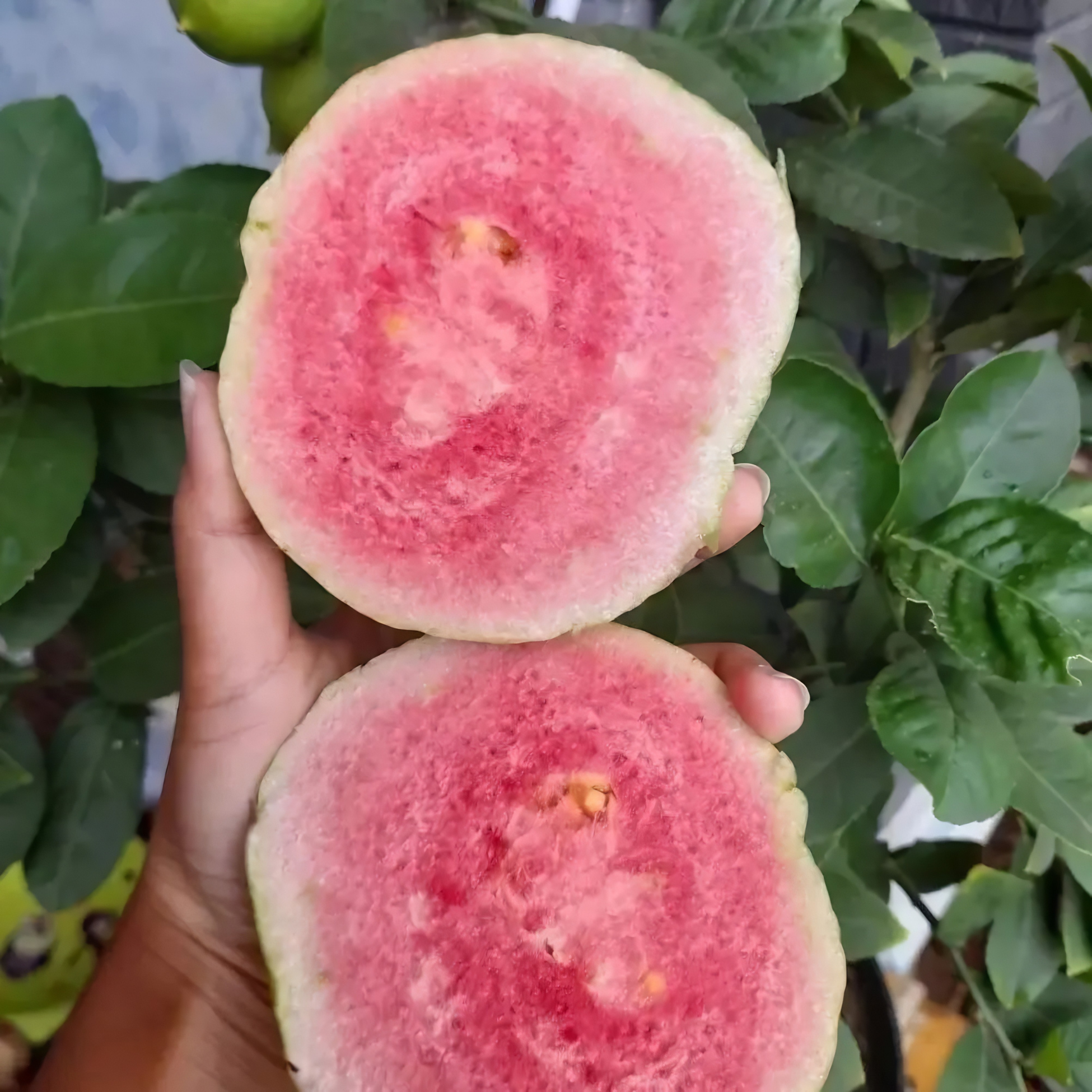
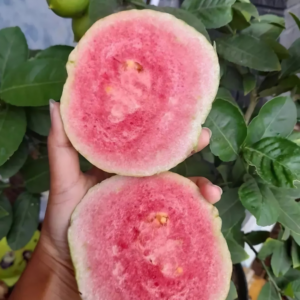
The Red Crystal Guava (Psidium guajava) is a tropical fruit cultivar widely recognized for its vibrant red-pink flesh, intense sweetness, and high nutritional density. Belonging to the Myrtaceae family, this evergreen fruit tree exhibits strong adaptability to tropical and subtropical environments, rapid fruiting behavior, and consistent high yield potential. The cultivar is especially valued for its attractive internal coloration, smooth pulp texture, and elevated antioxidant content, making it highly desirable in fresh fruit markets and functional food industries.
Historically, red fleshed guava selections emerged through natural mutation and selective breeding programs aimed at improving flavor, fruit appearance, and nutritional composition of traditional guava varieties. Over time, these selections became widely cultivated across Asia, Latin America, and tropical Africa due to their superior sweetness, improved aroma profile, and strong consumer demand. The Red Crystal Guava specifically represents a refined commercial line optimized for fruit uniformity, high productivity, and premium market positioning.
In modern agro-industrial contexts, Red Crystal Guava is extensively cultivated for fresh consumption, juice production, smoothie processing, and health-oriented food markets. The fruit is exceptionally rich in Vitamin C, lycopene, dietary fiber, folate, and polyphenolic antioxidants that contribute to immune support, skin health, and metabolic balance. Due to its striking red flesh and naturally sweet flavor, it is considered one of the most visually and nutritionally appealing guava varieties in global tropical fruit trade.
Flavor Profile (Red Crystal Guava Sensory Profile)
- Taste: Intensely sweet with mild tropical tartness and berry like undertones enhanced by rich aromatic guava essence.
- Texture: Soft, juicy, and slightly grainy with dense aromatic pulp and high juice content.
- Aroma: Strong tropical fragrance with sweet floral notes and ripe berry like guava scent.
Multipurpose Benefits (Beyond the Fruit)
- Fruit Benefits: Extremely rich in Vitamin C, lycopene, potassium, fiber, and antioxidants that support immunity, digestion, and cardiovascular wellness.
- Medicinal Benefits of Guava Leaves: Widely used in herbal teas containing antibacterial and anti-inflammatory compounds beneficial for digestive health.
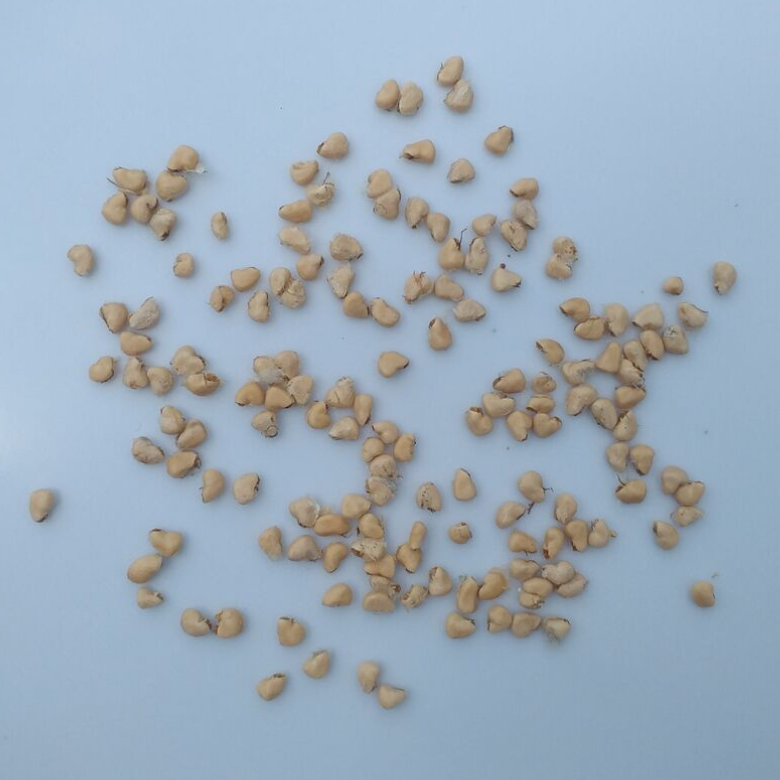
- Therapeutic Properties of Guava Seeds: Contain natural fiber and bioactive compounds supporting gut health and detoxification processes.
- By Product Utilization: Guava pulp is widely used in juice production, jams, jellies, dried fruit snacks, and natural flavoring industries.
Optimizing the agronomic performance of Red Crystal Guava requires balanced nutrient management, regular pruning, and efficient irrigation systems. The cultivar demonstrates vigorous vegetative growth combined with early fruiting behavior, making it highly suitable for intensive tropical orchard systems. Proper spacing and canopy control significantly enhance fruit size, sweetness, and uniform coloration.
Furthermore, understanding the flowering cycles and continuous fruiting capacity of guava trees allows growers to achieve multiple harvests per year under favorable climatic conditions. The following structural and productivity metrics define the optimal framework for establishing high efficiency Red Crystal Guava plantations.
Yield Potential
Provides highly productive commercial yields with strong demand in fresh fruit markets, juice industries, and functional food sectors.
Planting Density
- Standard Spacing: 3 meters x 3 meters or 4 meters x 3 meters depending on pruning intensity and soil fertility.
- Trees per Hectare: Approximately 800 to 1,100 trees per hectare under intensive orchard systems.
Seed Requirement
- Per Hectare: Approximately 1,200 to 1,500 seeds or grafted seedlings are recommended per hectare for optimal establishment.
Growth Metrics
- Time to First Harvest: 12 to 18 months after transplanting under optimal tropical conditions.
- Tree Height & Canopy Diameter: Typically reaches 2 to 5 meters in height with dense branching canopy structure.
- Productive Lifespan: Remains commercially productive for approximately 10 to 20 years with proper orchard management.
Yield Breakdown
- Early Production (Year 2): Produces initial commercial fruit yields with moderate output levels.
- Peak Production (Years 3–6): Yields approximately 30 to 80+ kg of fruit per tree annually under professional management systems.
- Annual Harvest Season: Capable of multiple harvest cycles per year in stable tropical climates.
Pest & Disease Resistance
- Natural Shielding: Exhibits moderate resistance to environmental stress and adapts well to diverse tropical conditions.
- Antifungal Resilience: Performs best in well-drained soils with proper airflow and pruning management.
- Pro Tip for Growers: Regular pruning and balanced potassium fertilization significantly improve fruit sweetness, size, and external quality.
Successful cultivation of Red Crystal Guava depends heavily on warm tropical climates, fertile soils, and consistent moisture management. Young plants establish rapidly and respond strongly to pruning, making canopy shaping a critical factor for maximizing yield and fruit quality. Because guava is a continuous fruiting species, proper nutrient replenishment is essential to sustain long-term productivity.
By integrating drip irrigation systems, organic fertilization, and canopy management practices, growers can significantly improve fruit sweetness, coloration, and market value. The following environmental requirements and propagation protocols outline the optimal framework for Red Crystal Guava cultivation.
Climate Adaptation
- Temperature: Thrives optimally between 22°C to 35°C under tropical and subtropical environments.
- Altitude: Best suited for low-to-medium elevations up to approximately 1,200 meters above sea level.
- Sunlight: Requires full sunlight exposure for optimal flowering and fruit sugar accumulation.
Soil Requirements
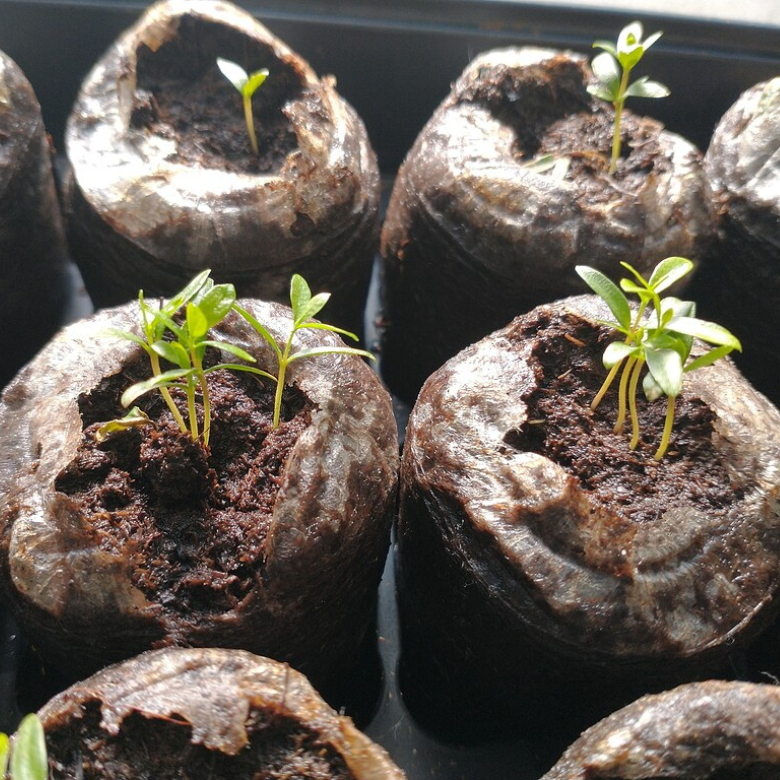
- Nursery/Seedling Stage: Prefers loose, fertile, and well-drained media with pH 5.5–6.8.
- Transplanting Stage: Performs best in sandy loam or loamy soils rich in organic matter and good drainage.
Seed Germination & Propagation Protocol
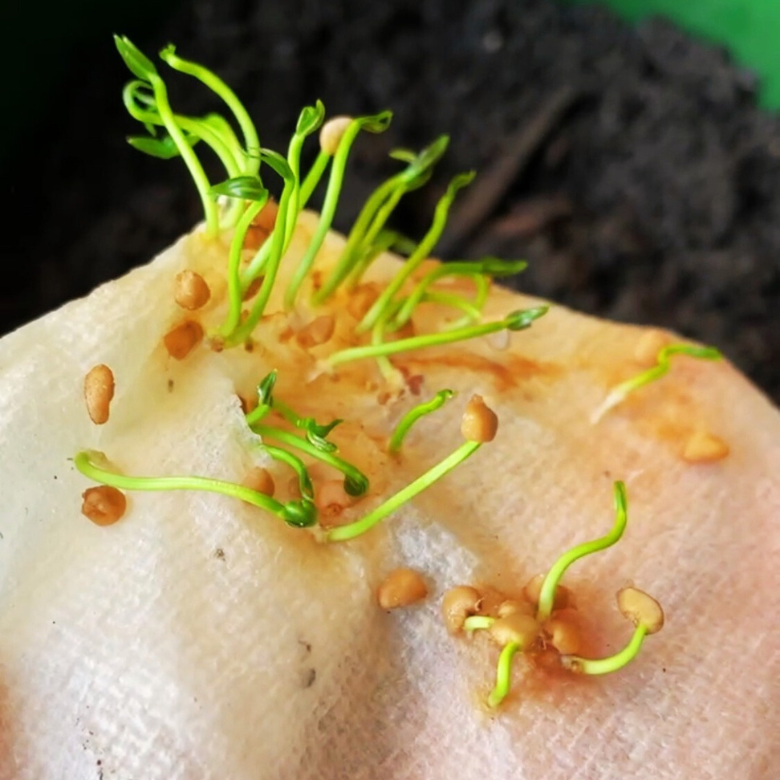
- Pre-Treatment: Soak seeds in clean water for 12–24 hours to improve germination uniformity.
- Sowing: Plant seeds 1–2 cm deep in moist nursery media under partial shade conditions.
- Germination Timeline: Seeds generally germinate within 15–30 days depending on temperature stability.
- Transplanting Protocol: Seedlings are transferred to the field after reaching 20–30 cm height with strong root development.
Advanced Microclimate Engineering for Guava Production
- Canopy Management: Regular pruning improves light penetration and fruit uniformity.
- Irrigation Optimization: Drip irrigation enhances fruit size and prevents stress-induced fruit drop.
- Fruit Quality Engineering: Balanced calcium and potassium nutrition significantly improves firmness, sweetness, and shelf life.
Exogenous Phytohormone Applications (Natural Growth Triggers)
- Auxin & Gibberellin Inoculation: Natural seaweed extracts may enhance rooting and vegetative growth.
- Cytokinin Boost: Organic coconut water solutions support early cell division and shoot development.
- Stress Reduction: Organic mulching and microbial inoculants improve soil health and moisture stability.

Reviews
There are no reviews yet.